
Everybody gets A’s these days. According to the College Board, the letter grade “A” is now the most common grade given by high schools. For over 50 years, the letter grade “C” was the most common grade, being set as the standard for meeting expectations.
The original seven-point grading scale, with grades being based on groups of seven percentage points from 100 percent, was replaced over multiple decades, with exact years set by individual states, with the current ten-point grading scale.
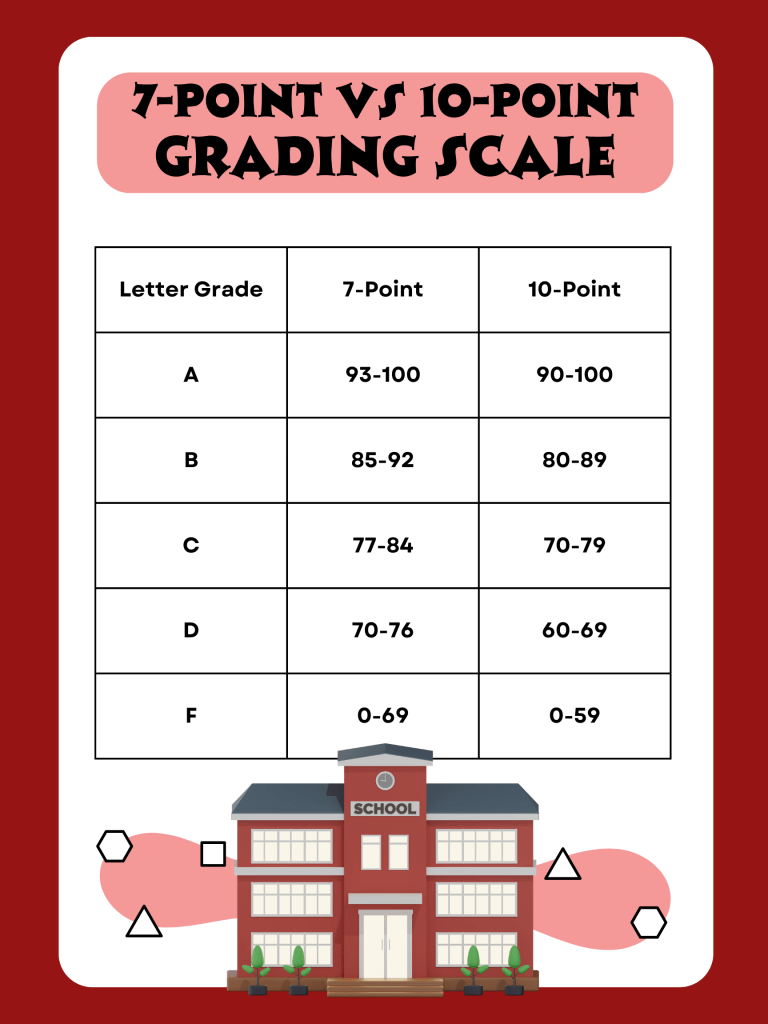
The southern states were the last to switch over from the seven-point system, with Louisiana still using the old system up until the 2024-2025 school year, when the state adopted the ten-point scale.
Schools switched over to the new scale to help students have a unified chance to apply for scholarships and colleges, although different schools still use different grade point average (GPA) systems.
“We have never had a seven-point system, to my memory, at Masuk,” said Lisa Peterson, assistant principal of Masuk High School. “It has always been a three- to four-point range. Some schools might only give A, B, C, D, or F and not do pluses or minuses.”
“Just up the road in Newtown High School, they do not give letter grades at all,” Peterson said. “They give numbers. So you do not get an A or a B, you get a 94 or an 84 or an 87.”
These small differences, however, do not impact a student’s chance of getting into a college.
“At Boston University, for instance, they get about 80,000 to 100,000 applicants per year. They take every single transcript that they get in, and they recalculate it based on their own scores,” said Ian Lowell, assistant principal of Masuk High School. “They have regional people that are very familiar with each of the regional grading scales, and then they will recalculate the GPA for students from all of those schools on their own calculation scale.”
At Masuk, in addition to the GPA, there is also a weighted GPA (WGPA). Extra points are added to each average based on the level of class (honors, dual enrollment and AP).
“Somebody could have all A’s, and somebody else could have a B+ average, but that included ten AP classes over the course of their career,” said Peterson. “Schools weight course rigor differently. Somebody with all A’s did not get into one of the better schools, but what were those courses on their transcript?”
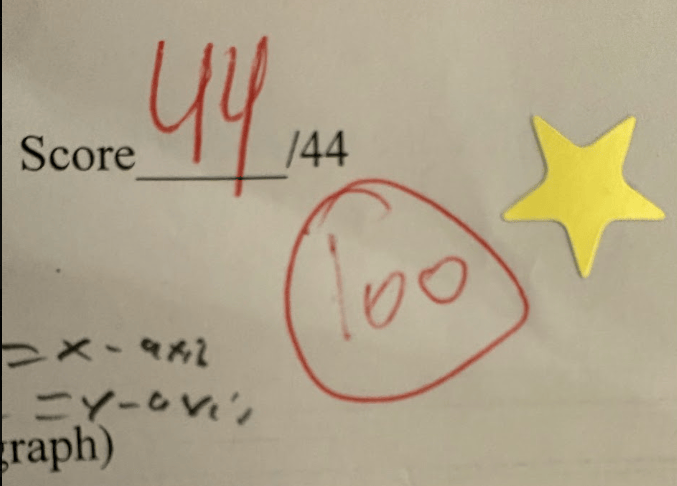
Some schools will apply a minimum grade floor, such as 50%, to act as a safety net for a zero to not negatively impact a student’s grade. Masuk does not contain such a floor, instead opting for other ways for students to increase their grades.
“We have a number of supports, including FLEX block, extra help after school, 504 and IEP (Individualized Education) programs for students with special education needs, or difficulty in learning needs. We follow all state-mandated laws and federal laws in terms of that,” Lowell said.
Students are highly encouraged to take AP courses to demonstrate their achievement, as the AP exam is standardized by the College Board.
Overall, your GPA and grades are not the be-all, end-all of your success in getting into your top school. Straight A’s have become the standard rather than the exception, and colleges are now putting a greater emphasis on course rigor. This places more pressure on students to take honors, dual enrollment, and Advanced Placement classes to differentiate themselves.
For high schools like Masuk, with alternative ways for students to reach extra help through FLEX sessions and after-school lessons, rather than enforcing minimum grades on assignments, students are encouraged to self-advocate for their success. For colleges and universities, the true distinction is no longer about the grade you earn, but the path you took to get there.




Leave a Reply