
Gamers are everywhere at Masuk. Whether they are Clash Royale veterans, top-ten Super Smash Bros. Ultimate competitors, or freshmen helping launch new video game clubs, gaming is a common interest across our community. But what does it look like beneath the surface?
Teachers with a history of gaming have become quite a hot topic among the various gamers at Masuk. Dillon Diaspro, an algebra teacher, said, “I grew up on Nintendo games. I had a DS, I had a Wii…I even had a one-hour limit when I was a kid.” By 2022, Diaspro was top ten in Connecticut for Super Smash Bros. Ultimate.
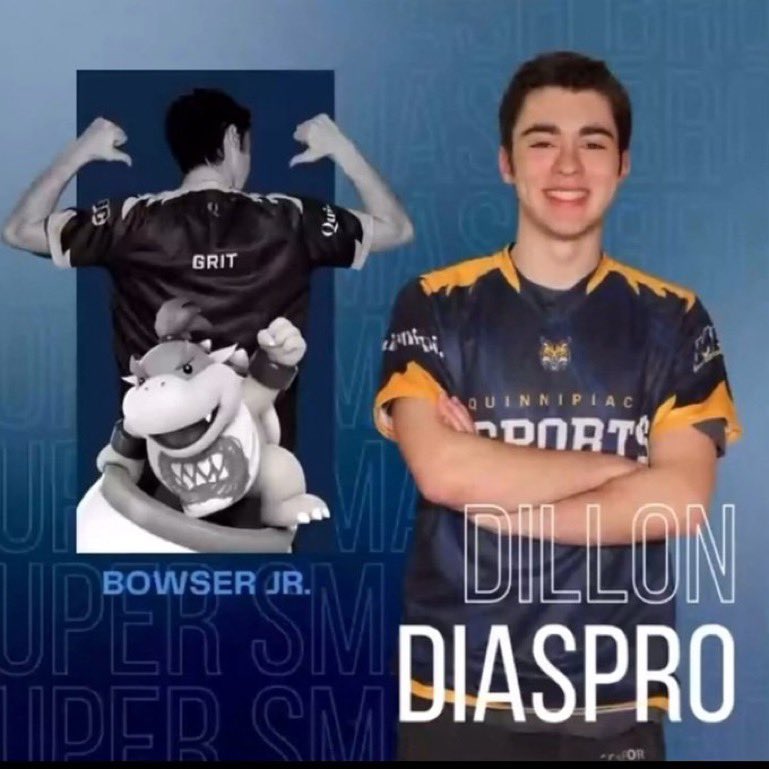
“It felt really cool to come into this new environment, meet everybody, and actually get better at the game…it’s a sport; there’s a competitive mentality behind it, which I didn’t expect it to have,” said Diaspro.
Many student gamers are happy to have a top-ranked gamer as a math teacher. “It definitely allows for much more conversation with the teacher, and it also allows for a lot of diverse interactions,” said Sidney Neto, a senior at Masuk.
“When students find out, they’re like, oh, Mr. Diaspro went to Smash Bro tournaments, he’s posted on the internet…and that was new for me. I have my Smash group of friends; I go to Smash tournaments with those guys, so when it starts to overlap, and people are talking about it, it’s great,” said Diaspro.
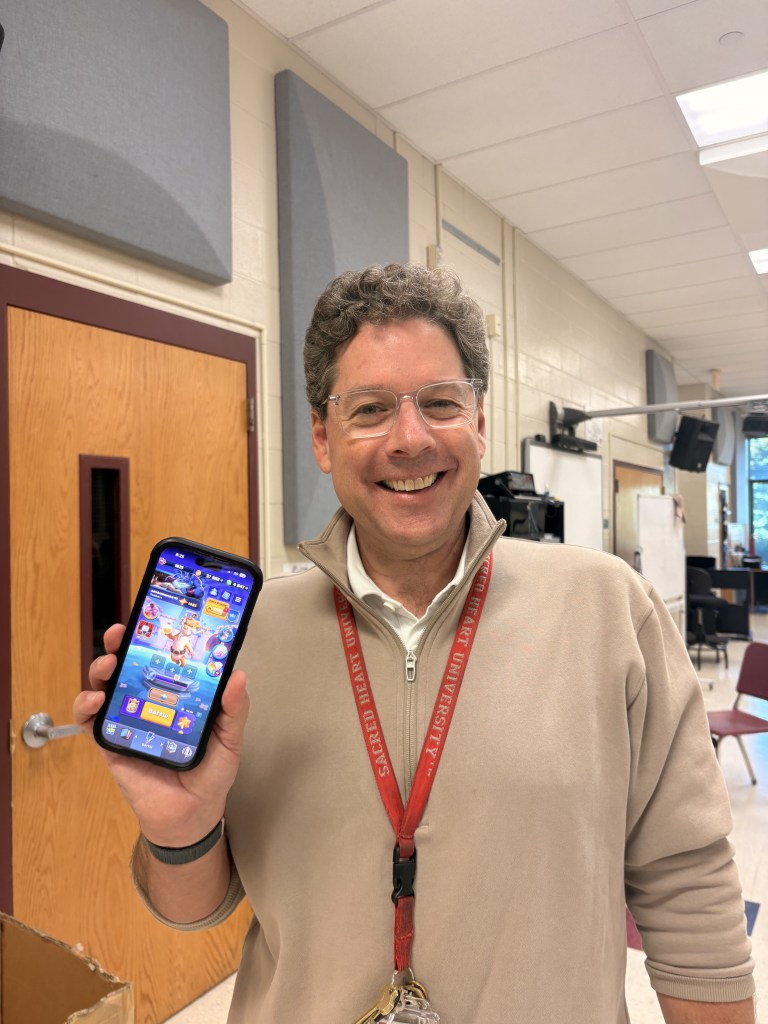
Diaspro isn’t the only teacher whose gaming habits have caught students’ attention. Michael Ances, Masuk’s band teacher, has played Clash Royale with students over the years. “We would all play with each other, and it was fun,” said Ances. His students are also surprised by the amount of achievements he has in the game.
“They’ll look at me like, wait, what? How could a teacher have all that stuff?”
Besides showing off his impressive achievements, Ances finds other unique ways to bond with his students through CR.
“Sometimes, kids will be playing, and we’ll play each other in Clash Royale before we go down to the football game,” said Ances. Shared moments like these aren’t uncommon in Ances ’ band room.
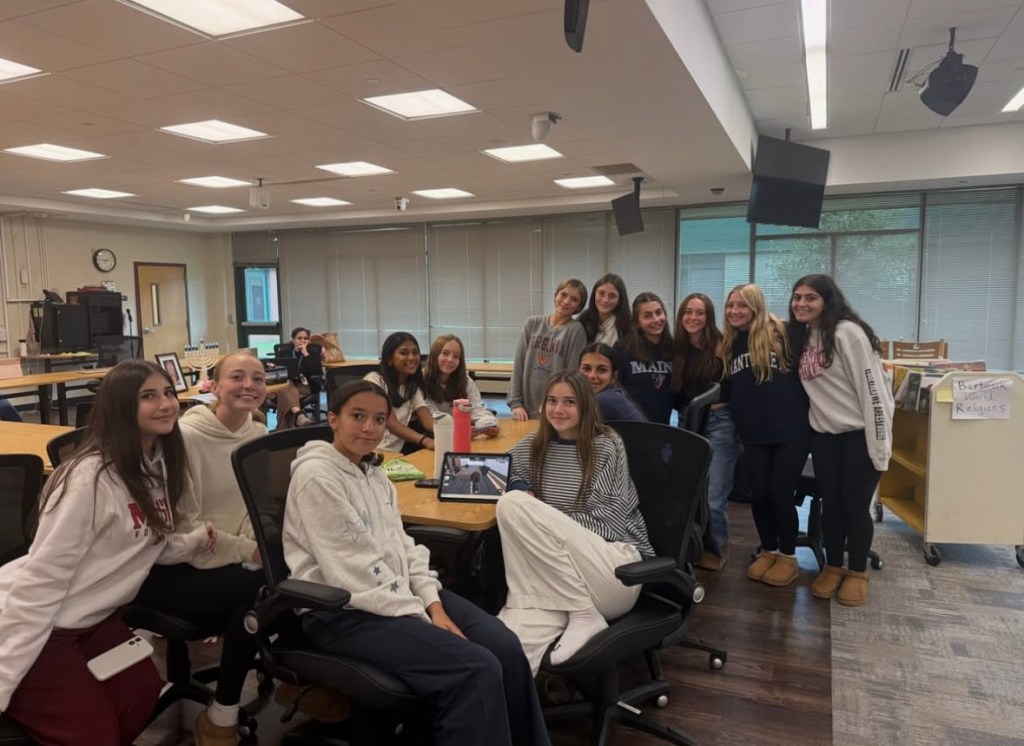
As for the students, the gaming community has only gotten stronger; the newly created Roblox Club has sparked interest among a majority of gamers. According to freshman leader Adele Pjetri, the idea for the club was born from conversations with friends and her sister’s friends.
“It was originally my friend’s idea…and then my sister’s friends were talking about how they wanted to make one. I was like, why not? So I started one.”
The plan was simple, yet worked effectively to bring a great group together for the club’s first meeting. Club members gathered in the library to play Murder Mystery 2, a popular game within Roblox. Leaders such as Pjetri brought snacks, including a variety of cookies and brownies, while also rewarding the winners of the first two rounds with in-game currency gift cards.
“I was able to make some new friends, and I overall had a great time!” said Isabel Kyrytschenko, a student who attended the club’s meeting.
Cookies and murder mystery shenanigans aside, Pjetri goes deeper into the true meaning behind the club’s creation.
“This definitely brings people together. This is a really big interest amongst the students at Masuk, because a lot of people play Roblox at home…I wanted to make this club so people can come together and build connections with one another.”
Just as gamer educators connect with their gamer students, organized clubs such as Roblox Club strengthen the gaming community at Masuk. Whether it’s a mid-class conversation about a teacher’s gaming history, pre-football game Clash Royale, or students coming together to play their favorite video game, the shared passion surrounding gaming thrives in the connections made among all kinds of players. It challenges the “lonely gamer in the basement” stigma, showing how it can bring people together instead.
“I’ve met so many awesome people from across these years…I’ll go to a tournament, go see the people in the region, see friends I haven’t seen in a bit…the social aspect is a big part. When people find out there’s a prize pool, it’s like trying to win money. But it really is 70% to see friends.”
“Any shared experience, whatever it is, helps create community,” said Ances.
When you head into your classrooms, take a moment to ask your teachers and friends about the games they love to play. Perhaps they’ll tell you about their gaming accomplishments, or invite you to play with them in their club. Perhaps they don’t even play video games—and that only opens up more opportunities to connect on something else!


Leave a Reply