
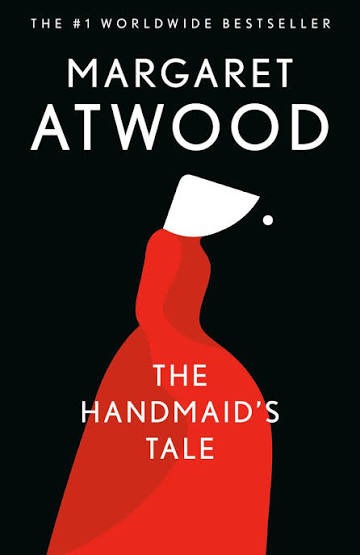
The Handmaid’s Tale: Margaret Atwood
The Handmaid’s Tale is a feminist dystopian novel written by Margaret Atwood shared through the eyes of the protagonist Offred. It explores a divided world that segregates women and their value to society based on their “womanhood”. The plot sheds light on the dangers of sexist authority, all the while continuing to portray the inspirational journey of survival through memory.
Christina’s take:
The Handmaid’s Tale is a well executed and relevant novel. Margaret Atwood paints a picture of a woman named Offred, forced into modesty and submission in a dystopian Christian totalitarian society. Even though Offred’s environment doesn’t truly exist, the relevance lies in the adjusting that Offred must do to appeal to her patriarchal society.
Something that stood out to me the most was Atwood’s criticism of the misogyny within the Christian church. Though the novel does not intend to directly criticize the religion itself, it targets the stereotypical and outdated roles the church carves out for women. In modern day, I’ve experienced pressure to adhere to the encouraged modesty and feminine roles within the church despite my personal beliefs. I see an exaggerated version of myself in Offred when she is forced into modesty and blind faith, because she is taught that such is “pure.”
While the themes are strong, the novel provides little explanation for how society reached this point, focusing more on Offred’s past and present rather than the transition between the two. Offred is an engaging narrator, yet I was curious about the perspectives and resistance of other characters also.
Despite my critiques, this novel kept me engaged and holds up quite well with its overarching themes and ideas of resistance, feminism, and religious extremism. I would rate this novel a 4/5 and would generally recommend it to anyone who enjoys feminist contemporary literature.
Julia’s Take:
Margaret Atwood is a phenomenal storyteller, and The Handmaid’s Tale is none other than a remarkable example of this talent.
Memories were a constant yet intriguing ideal in the novel. Offred leads her life through the sole power of memories, which fuel her. It got me to think about how often we as humans lead our lives through experiences we’ve lived through; every action we choose is a result of the experiences that have shaped us! I know that my Polish heritage, my goals for the future and my closest friends impact the way I currently lead my life.
The novel additionally portrays the importance of self-expression through recurring memories of an old life of Offred’s. From once being able to wear jean shorts around town to wearing spectacular hats with feathers, Atwood creates a synopsis on how simple things define who we become. In my opinion, self-expression is one of the most important freedoms that exist in the world, and I can’t even imagine what my life would look like without being able to plan my outfits each morning, or not being able to partake in spirit week. Clothes, colors and styles make us out to be who we are–taking them away would inevitably be destructive to our mental states.
To conclude, The Handmaid’s Tale is an eerie novel that explores themes that keep a reader involved and constantly thinking and wondering about fictional situations. It was nearly impossible for me to put down this book, and when I did all I could think about was how fortunate we are as a society to live the life that we have. This novel gains a 4/5 star rating from me, and I recommend it to those who crave authentic dystopia.




Leave a Reply