
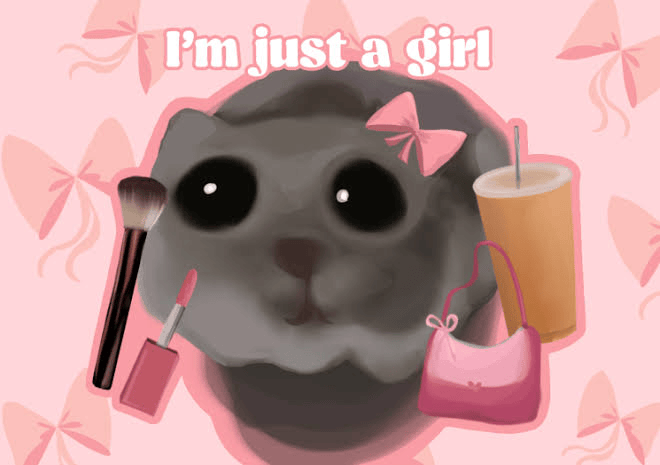
“I’m just a girl, I can’t do math.”
The phrase, “I’m just a girl” has shifted how young women in modern America perceive themselves. After its rise in popularity last year, it’s been used by many women, especially young girls, to mitigate embarrassment. Commonly used after bombing a test or after an unfiltered comment, these four words restrain the very women who utter them.
“I’m just a girl” originated from the 90s feminist anthem, “Just a Girl” by No Doubt. Its lyrics critique the misogynistic perspective of what a girl is, with lines like, “Oh, I’m just a girl, all pretty and petite, so don’t let me have any rights.” While the original lyrics used the phrase as a means of demonstrating how pointless gender expectations are, the modern translation has an effect that is opposite of empowering. What Gwen Stefani meant as an empowering phrase has completely switched the meaning of feminism, with young girls using the expression as a means of excusing incompetence or failure.
“I think it started as a joke, but at the root of this, it’s giving the impression that women are naturally somehow less capable, strong, resilient or confident. It almost underestimates what it means to be a woman. It’s problematic, especially as a young girl, to think that your identity is something that can be joked about,” said Ellie Fried, advisor of the Women’s Advocacy Club (W.A.C.) at Masuk. “It’s deficit thinking, it’s just so negative,” said Fried.

While Fried has lived through more experience with tendencies that belittle women, she isn’t the only one who has noticed this shift in the phrase.
Freshman Olivia Dao-Crespo said, “It’s putting girls in a box and it’s saying, ‘I can only act this way, because this is how society wants me to perceive myself.’ That’s not how any girl should have to feel or have to act based on the list of rules where they’re expected to act like this.” Dao-Crespo’s point brings light to the traditional way in which women are commonly viewed–they must stay at home, bear children and cook. That’s why saying destroys the ideals that women have fought so hard to gain–it instead encourages idiotic and senseless behaviors simply because you’re “just a girl.”.
It also establishes a cage that young women must stay inside of.
“It just has a negative connotation. It gives me a limiting [connotation] because we’re so much more than we give ourselves credit for. That phrase is just putting us down and it’s not giving us the confidence and power that we should have as women,” said sophomore Leah Sorensen. And as for the credit she mentioned, Sorensen herself proves to society that there isn’t just one thing that defines what a woman is. “I care a lot more about theater and performance than I do school…it’s like you can do both, and you’re proving that you could do both. It’s empowering, especially as a girl,” said Sorensen.
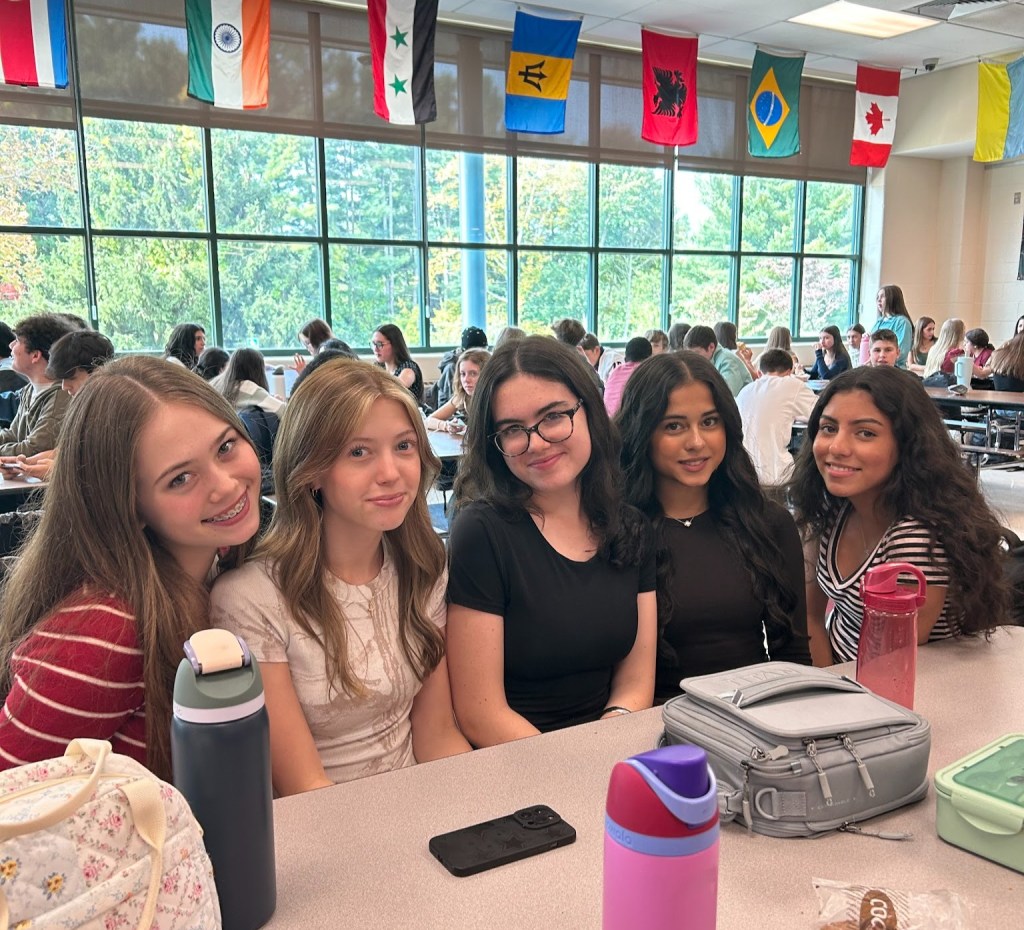
“It belittles women and their ability to live and exist and create, and it makes them a stereotype that represses women and their power,” said sophomore Ava Heffelfinger.
Heffelfinger’s best friend, sophomore Shanaya Modi emphasized this point.
“‘I’m just a girl’ is depleting herself to someone who doesn’t know how to make decisions and realizing she needs someone else to be able to move forward in her whole life,” said Modi, referring to how ‘girl’ is the term for a woman of immature age.
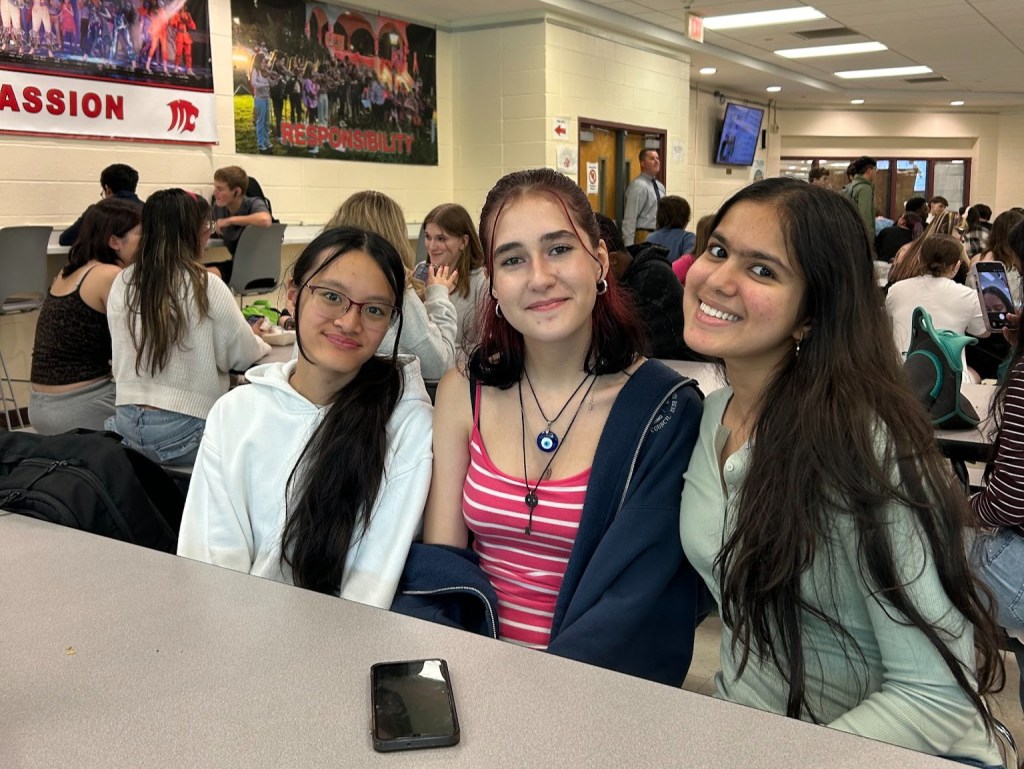
There has also been a string of comparison between “I’m just a girl” and the complementary phrase, “boys will be boys.” Many have said that this phrase muffles the voices of struggling women in the paths of destructive men and creates excuses for men doing harmful things. If so, why does a double standard exist if “I’m just a girl” is equally damaging? The thing is, nobody should be excused for their actions because of anything, especially gender. The only thing that should be expected of someone is to simply be a human; therefore, they should be treated and acknowledged as one.
“The difference…is that ‘boys will be boys’ is what people say about men when they do something wrong, and ‘I’m just a girl’ is saying something negative about yourself,” said sophomore Milena Wadolkowski.
Women are pushing out negative perspectives to society, facilitating the idea that it’s okay if they don’t do anything of value, because they are a woman.
This established juxtaposition between the two phrases introduces an incredible question: what does it mean to be a girl?
“Being a girl is being everything all at once and trying to make the best of it,” said Dao-Crespo. “Using it to demean yourself is like, [weird].” Making the best of everything thrown at you and proving to others that you are capable shouldn’t be downplayed by using “I’m just a girl”, in fact, proving certain stereotypes wrong should be influential on all female minds.
“There’s layers to it. Within my femininity, I believe being a woman is to be powerful and strong and not have to depend on men. It’s about being different,” said Heffelfinger. “It’s about being your own person.”
Fried also said the words that come to her mind whenever she hears the word ‘woman’. “I think strength, I think resilience, I think community and power,” said Fried. “To be a woman is an incredible thing. The experience of being a woman is unique.”
Being a woman is unique, especially in its experiences, values and lifestyles, therefore, as a final message to the young girls reading this, the incredible women of Masuk share a final message with you!
“Do not be afraid to talk about your interests or what you like or who you are as a person and what makes you, you,” said Heffelfinger, because, if you’re not sharing the weird, chaotic and truly raw version of yourself, who are you pretending to be?
“Be a girl,” said Dao-Crespo, “because if you’re just a girl, you’re limiting yourself, and you never want to put limitations on yourself because you never know what you’re going to be able to actually do.”
No one thing, person, idea or motive should determine your self worth unless it’s you that determines it. Your personal accomplishments, goals, and mindset should be enough for anyone, and shouldn’t have to be discouraged or simplified by using a phrase that solidifies gender as the core reason for it. “I’m just a girl” undermines every ounce of potential that a young woman can carry, and destroys the movements of modern feminism. But women are strong, women are capable, regardless of the fact they’re a woman.
So, as Modi beautifully said, “Be powerful, and don’t be ashamed of it.” Live by it.




Leave a Reply