

Artwork by Aiden Cronk
If you have been shopping anywhere recently, you have probably seen a symbol of a little white rabbit with an X for a mouth. This rabbit, better known as Miffy, has infiltrated the current consumer market, appearing on everything from beach towels and coffee cups to face masks and pimple patches. However, unlike other popular symbols like Smiski, Labubus, or even Sonny Angles, whose popularity can be linked to their more recent releases, Miffy has been around since the 1950’s. So why is Miffy just now receiving global fame? What is causing companies to push Miffy to be a consumer icon?
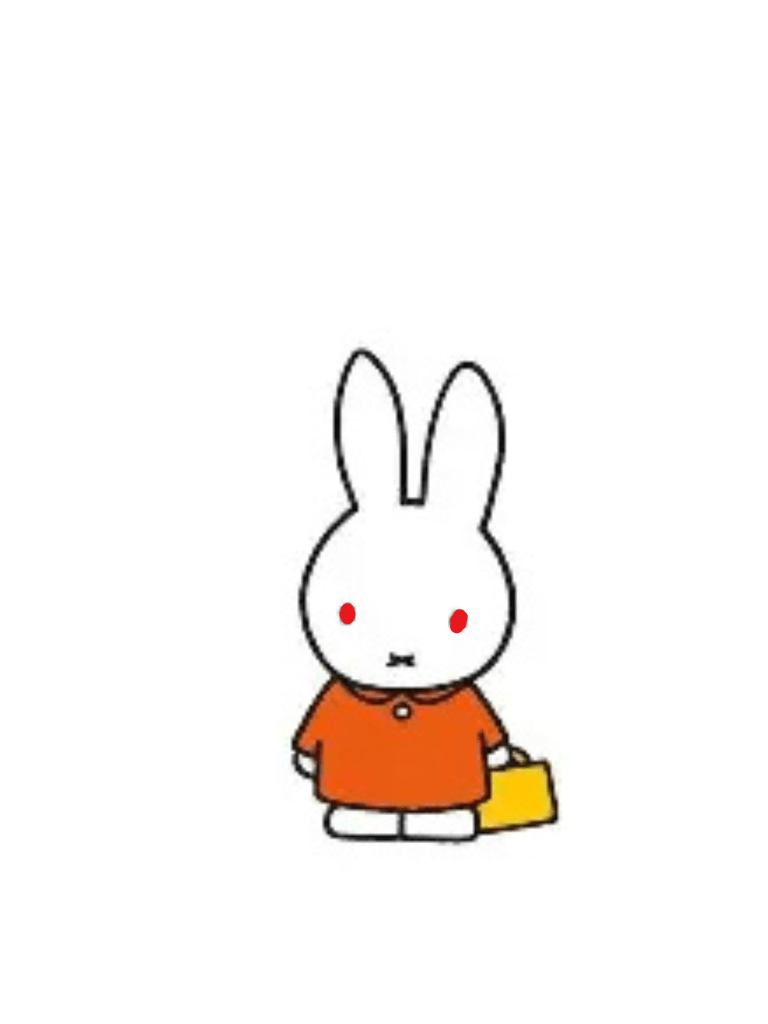
Photo Credit: Emily Barnhart
To understand the Miffy trend, we first need to understand who exactly Miffy is. Miffy, originally known as Nijintje, is a children’s book character from the Netherlands, created by artist Dick Bruna in 1955. Since her creation, she has had a global influence, especially in countries such as France and Japan. Miffy didn’t really become well known within the United States until 2015 with the release of Miffy’s Adventures Big and Small. This show is the origin of the ‘Miffy Epidemic’ we see today. It was initially aired on Nickelodeon and gave Miffy its initial western notoriety. Sophomore Millie Wasserman was one of these early Miffy fans. “There used to be a Miffy show on TV that I would always watch as a kid,” said Wasserman. “My mom would turn it on for me basically every day, so I was a big fan of Miffy when I was younger, and she’s kinda just stuck with me since.”
Some of Miffy’s popularity can be linked back to her initial release on TV or in literature; a large majority of Miffy’s current fan base is unaware of her origins.
“I never knew about Miffy until I saw her appear all over social media, and even after that, I kinda just assumed she was part of like Hello Kitty or something,” said senior Karolina Jaworska.
Junior Nikol Kupieieva shares a similar feeling with Jaworska, “I never knew that Miffy had a tv show, or was from a book, to me, she just appeared out of nowhere.”
So what is causing this sudden boost in popularity for Miffy? The answer to that question is capitalism.
In 2024, Hello Kitty celebrated its 50th anniversary. To celebrate, the brand released a massive amount of limited-edition items and collabs in order to drive revenue and popularity for the brand. This worked out for Hello Kitty with their sales increasing to 44.9% and operating profits increasing to 92.2% on a year to year basis, according to Sanrio’s own report. However, the push to promote Hello Kitty didn’t just work for Hello Kitty; it worked for the kawaii aesthetic as a whole. Since 2024, anything that is deemed cute and adorable by social media has been lifted into being a media sensation, and this includes Miffy. The female rabbit cartoon character fits the trend of cute nostalgia that is currently being chased by consumers, which keeps Miffy relevant and popular.
Brands have picked up on this trend, and in return, have started collaborating with her brand. From Starbucks to H&M, Miffy can be seen in every market niche, leading some to question if the trend is just overconsumption.
“I think the trend (of Miffy) is just overconsumption because it is appearing on quite literally everything. I think I would feel differently if Miffy were a new item, but it has been around since the 50s,” said sophomore Alaina Sy.
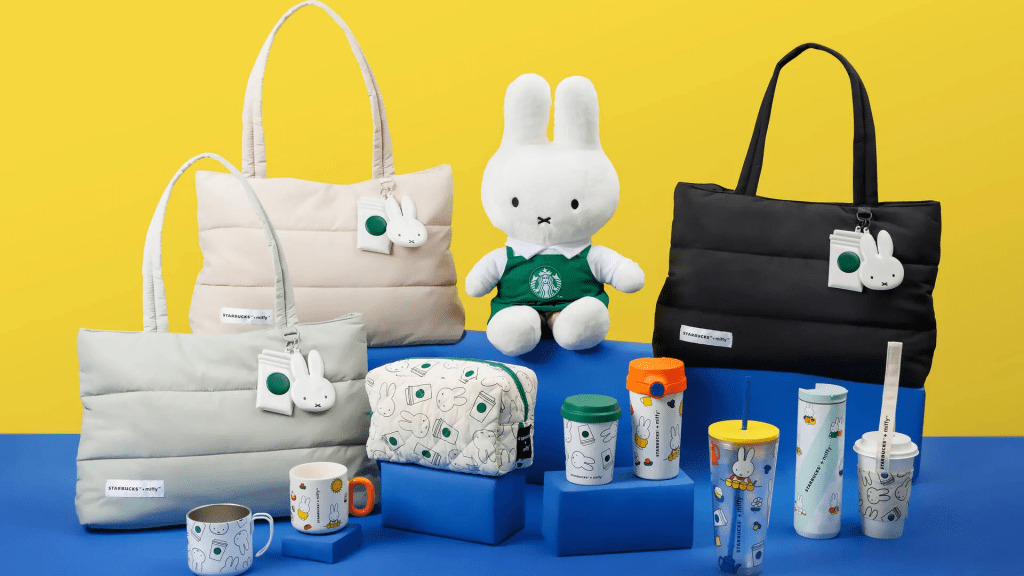
Photo credit: Google
Social Media and overconsumption can explain Miffy’s sudden rise in popularity, but they are not reliable indicators of whether the Miffy trend will continue. Hello Kitty, a character that is often compared to Miffy, has been popular in the USA since 1976, yet has had periods where their popularity waned. In 2010, Hello Kitty reached an all-time low in sales, only for their popularity to skyrocket like never before in 2024. While Miffy remains an entirely different company and entity from Hello Kitty, the cat’s long-term popularity despite its ups and lows and sales demonstrates potential for Miffy to stay as a cultural icon. However, fans still have concerns over Miffy’s future career.
“I honestly don’t think the trend will last,” said Sy. “There are many trends that say when a society goes through a recession or market crashes, there begins to be an increase in cute or nostalgic items.”
Wasserman disagrees with the idea that Miffy’s popularity will fade soon, “I definitely think the trend will stay. I’ve seen her around since I was young, so I don’t see how she could suddenly lose the popularity that she’s had for so long.”
While her fans may have mixed feelings about her future, her journey from niche children’s book character to global superstar has certainly cemented Miffy as a household name. One that will surely be studied by marketers and investors trying to study consumer algorithms. Only time will tell if Miffy is truly a timeless cartoon character, or a substantialized trend made for the dumpster.






Leave a Reply