
Sheppard.Energy Drinks: Quick Boost, Sudden Crash
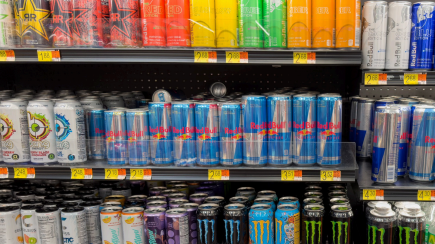
Energy drinks ensure a quick surge of energy throughout the day, but once the effects wear off, you usually find yourself more tired than before. These brightly colored cans have become a key part of students’ days. Brands such as Celsius, Alanni, Monster or Red Bull market themselves as performance enhancers or even body fat burners, but the science behind them is more complicated. These addictive drinks have become a staple for many students, but are the effects worth it?
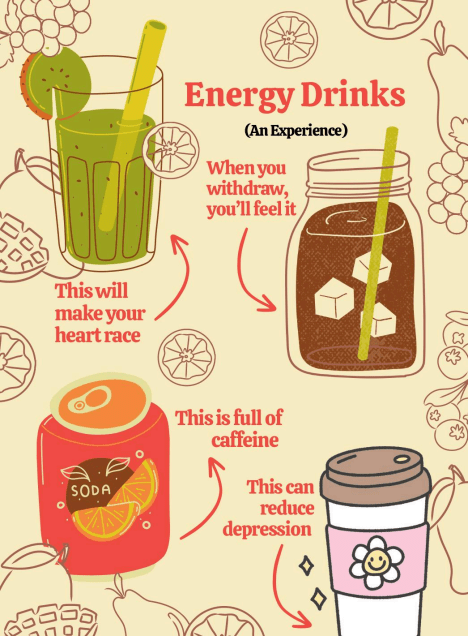
The surge of energy you experience after chugging a celsius or redbull comes from caffeine, a key ingredient. While caffeine is regularly consumed and normalized, it is still a drug, clasified as a stimulant. Stimilants increase activity in your central nervous system, which is why theres an increase of energy after consuming caffeineAccording to the American Medical Association, “ Caffeine blocks adenosine, a chemical that promotes sleep,” which temporarily prevents the body from experiencing tiredness. Many energy drinks contain more caffeine than several cups of coffee. This can cause jitteriness or even anxiety.
Senior Evelyn Crawford said, “I get a pretty quick cycle of energy, and my heart rate goes crazy.” Contrary to common belief, caffeine has some benefits. The AMA(American Medical Association) referenced how caffeine could reduce depression by reversing the typical moodiness or lack of motivation.
Over time, regular consumption of these energy drinks can cause a tolerance. The body adapts to the consumption, making the effects of caffeine decrease. Senior Jackson Conley said, “I definitely don’t get the same effect I had when I first drank them.”
This cycle can ultimately cause dependence, where some find it difficult not to have some type of caffeine in the morning. “Your body begins to adapt to caffeine, causing a cycle of addiction,” said AMA. This leads many people to consume energy drinks every day.
Certain energy drinks seem to have longer or shorter effects on students as well. “It depends on the brand, Celsius I feel the effects all day, Bloom, probably 4 hours, and Red Bull more like 2 hours,” said Junior Fiona Connolly. Though different energy drinks may have the same amount of caffeine, each one has a different effect.
AMA explains, “When these habitual users cut back or cut out caffeine, they typically will experience withdrawal symptoms such as headaches, fatigue, low mood, or difficulty sleeping.” Some people find themselves subconsciously relying on them because of these effects, and also to give some alertness during a job. “I rely on energy drinks throughout the week because I work long shifts, specifically because I’m a lifeguard and we need to stay awake,” said O’Leary.
For many, after school, the effects of caffeine leave them more tired than previously. “Oftentimes, a couple of hours after drinking Celsius, I typically feel like I need to sleep,” said Sophomore Jeweliana Crawford.
Each person has a reason for drinking energy drinks, sometimes tired, for productivity, to work out, or just part of one’s routine. Senior Jackson Conley said, “I have an energy drink most
times, and lifting it helps give quick energy throughout my workout.” This creates a better workout because it allows for quick energy to get through a workout.
Another reason energy drinks are so popular is their convenience. Most students have busy schedules, sports, clubs, and jobs. This can make it difficult to get enough sleep, so sometimes grabbing an energy drink is the easiest option to get students through the day. Experts from AMA suggest healthier alternatives, such as getting more sleep and water. But, sometimes it just doesn’t happen with how busy students are. So despite the health risks, energy drinks won’t be disappearing from a student’s life anytime soon. These brands continue to grab the attention of a younger audience, which does not help this problem. Evelyn Crawford said, “I think what needs to be done is drinking them in moderation, like every other day or drinking half of an energy drink, and it would be a lot better for the health of everyone.”
In all, energy drinks have become a regular part of students’ lives. Whether it’s before school, before a workout or before work. Students continue to reach for a quick solution to their fatigue. And most times, these drinks make them experience a crash or feel more tired after the fact. Experts recommend moderation or healthier alternatives. Understanding both benefits and risks can help students in making decisions to help their daily lives. Instead of relying on energy drinks, students should consider other healthier energizing options that will give them the same effect as energy drinks. This will overall take steps toward healthier ways of living.



 Masuk Free Press
Leave a comment