
Over the past few years, the idea of sending a sick child to school was met with collective gasps and raised eyebrows. Parents and administrators alike were worried about keeping contagious illnesses out of classrooms, particularly in the wake of the COVID-19 pandemic. However, as the years have passed and the panic surrounding COVID-19 has decreased, a new dilemma has emerged — the normalization of sending sick kids to school.
Three years ago, even the clearing of your throat in school would have been encountered with overwhelming judgment. Parents would keep their children home at the first sign of a sniffle or cough. Schools even enforced policies like filling out a health survey every day to participate in sports in hopes of preventing the spread of illness.
“I think that COVID has changed people going to school sick because people have more awareness about the importance of not attending school when sick to prevent the spread of illness,” said sophomore Ritiksha Patel. Despite this shift, Patel said, “I feel like I have to go to school sick.”
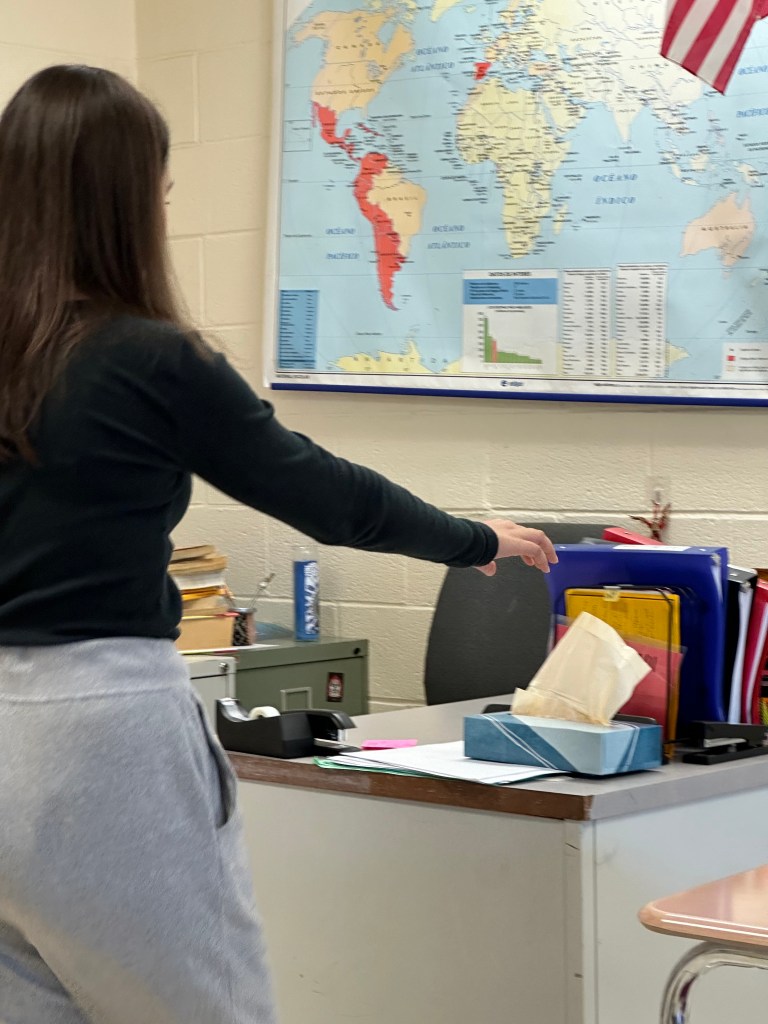
While concerns highlighted during the COVID-19 pandemic are still present, the widespread availability of vaccines has contributed to a gradual ease of restrictions and a loosening of the stigma surrounding illnesses. As a result, some families now find themselves with conflicting emotions when faced with the decision of whether or not to send their sick child to school.
The decision to send a sick child to school is not taken lightly. Concerns about falling behind academically and missing important lessons or assessments are shared amongst families and the school.
“I have gone to school sick this year, multiple times,” said Patel. “I go to school sick just because I don’t want to miss any of my classes because I know being sick one day is gonna make me have so much more homework.”
For Masuk students, missing one day of class with a block schedule could potentially mean only seeing that teacher once that week. In many classes, especially at the honors and AP levels, this could be the difference between getting an A or a C on your next test. Some students do not have study halls and if they miss an assessment, they will be stuck making it up in Flex for the rest of the week.
“I literally can’t miss my math class.” said junior Aubrey Zvovushe-Ramos. “I swear we have a quiz like every class and if I miss a class then I miss both the quiz and what we learn about after the quiz.”
Other students shared this sentiment.
“I didn’t want to fall behind in AP Gov, because I felt that it would be too difficult to catch up and it would be hard to understand the content if I wasn’t there for the lecture,” said sophomore Riya Pooskur.
Over the past few years, remote and hybrid learning models offered a degree of flexibility for families dealing with illness. However, with schools resuming full-time in-person instruction, the option of staying home and attending classes online is no longer readily available. This leaves parents and children feeling pressured to prioritize academic progress over health concerns.
But this problem is not strictly reserved for students who care just about their academics. Student-athletes also struggle with the pressure to attend school when they are sick. Students are required to attend at least two periods of class to participate in sports practices or games.
“During sports seasons, I am lowkey forced to go to school,” said Zvovushe-Ramos. “The coaches will literally get mad if you don’t go to school. They don’t care if you are sick.”
This leaves students with no way to win. If they care about their grades, they have to go to school. If they care about sports, they have to go to school. And although students coming to school sick is a commendable effort, it ends up being both a distraction and a danger to other students.
“I’m not gonna lie, people sniffling in the middle of tests and like dying in the corner as I try to work is very annoying,” said junior Niti Shah. “I mean I get it, I’ve been there, but like it’s so frustrating trying to do math and you hear someone aggressively attacking their boogers with a tissue.”
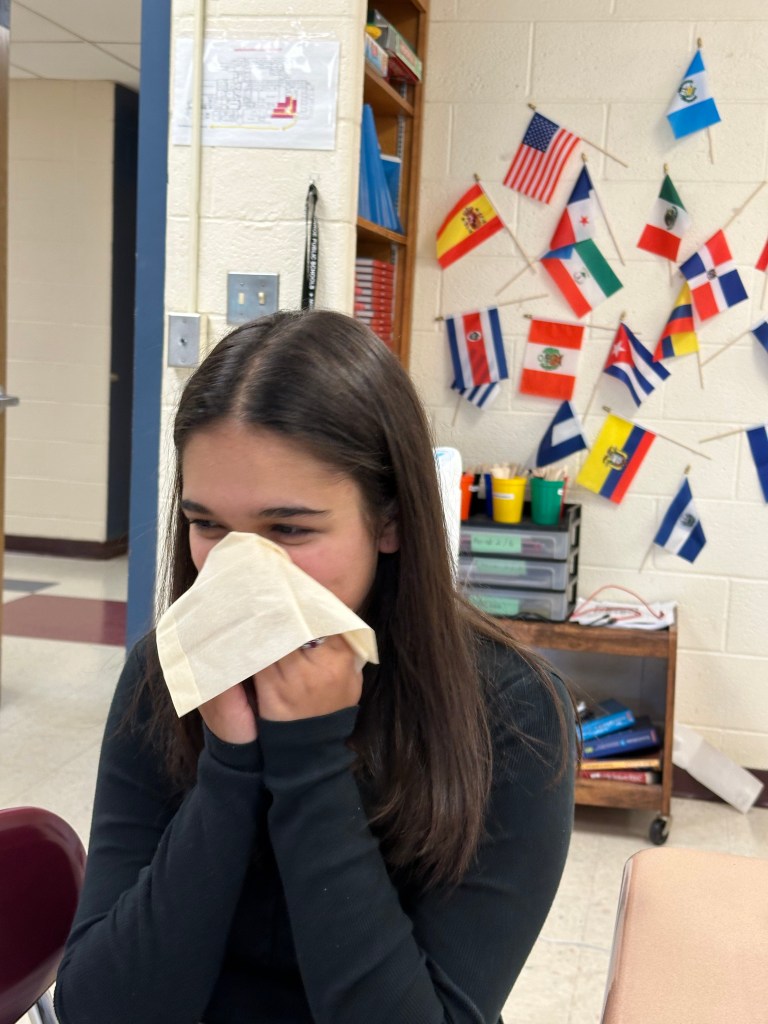
This scenario not only distracts from other students’ educations but also may jeopardize the well-being of their peers.
Yet, this does not mean the spread of illnesses cannot still be prevented.
“I went to school sick last week,” said Pooskur. “I was definitely more cautious at school, I chose to sit by myself because I didn’t want to get everyone sick, and most of the people around me distanced themselves and spoke to me from a few feet away.”
While students like Pooskur taking the initiative to protect their friends is important, relying solely on individual caution and responsibility is not a perfect solution for reducing the spread of illnesses within schools. The underlying issue of pressure to attend school while sick persists.
Though a couple of kids coming to school sick is not the end of the world, allowing sick children to attend school increases the likelihood of spreading illnesses to classmates, potentially leading to outbreaks and disruptions to the educational environment.
In addition, the casual attitude towards COVID-19, even when individuals test positive, is concerning and potentially dangerous. Sometimes, students on sports teams will test positive for COVID-19, and other teammates will not test. As long as students remain unaware of their status, they can still attend practice.
This reckless obsession with attendance could easily facilitate the further spread of COVID-19. This disregard for the seriousness of COVID-19 perpetuates a cycle of transmission that leads to more and more sickness within the school.
While COVID-19 may no longer dominate headlines as it once did, other infectious diseases such as the flu, common cold and stomach viruses continue to pose a threat, especially in densely populated environments like schools. While the gradual easing of COVID-19 restrictions has contributed to a normalization of attending school while ill, the underlying pressure on students to prioritize their education over their well-being remains palpable.



 Masuk Free Press
Leave a reply to Marshall Linn Cancel reply