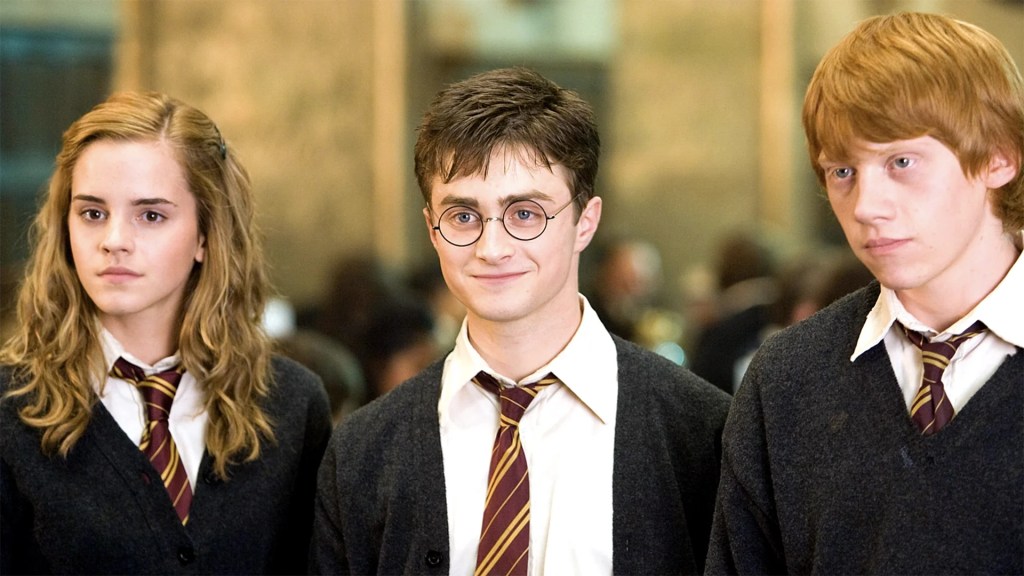
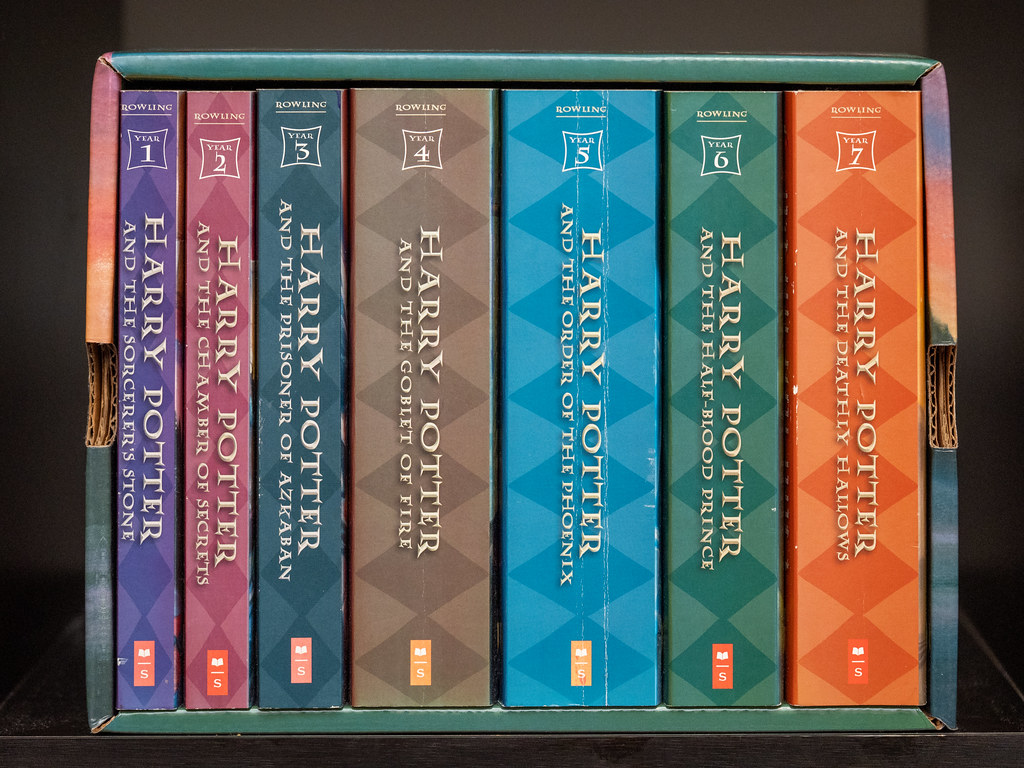
Since its release in 1997, J.K. Rowling and the Harry Potter series have received countless awards and accolades. On top of that, the franchise has made billions of dollars along with the creation of a seven film series that is regarded as one of the most successful film series of all time. All this has brought Rowling and the series an incredible amount of praise from around the world. Loving fans of the Harry Potter franchise can be found anywhere. This would be great, if Harry Potter was not grossly overrated.
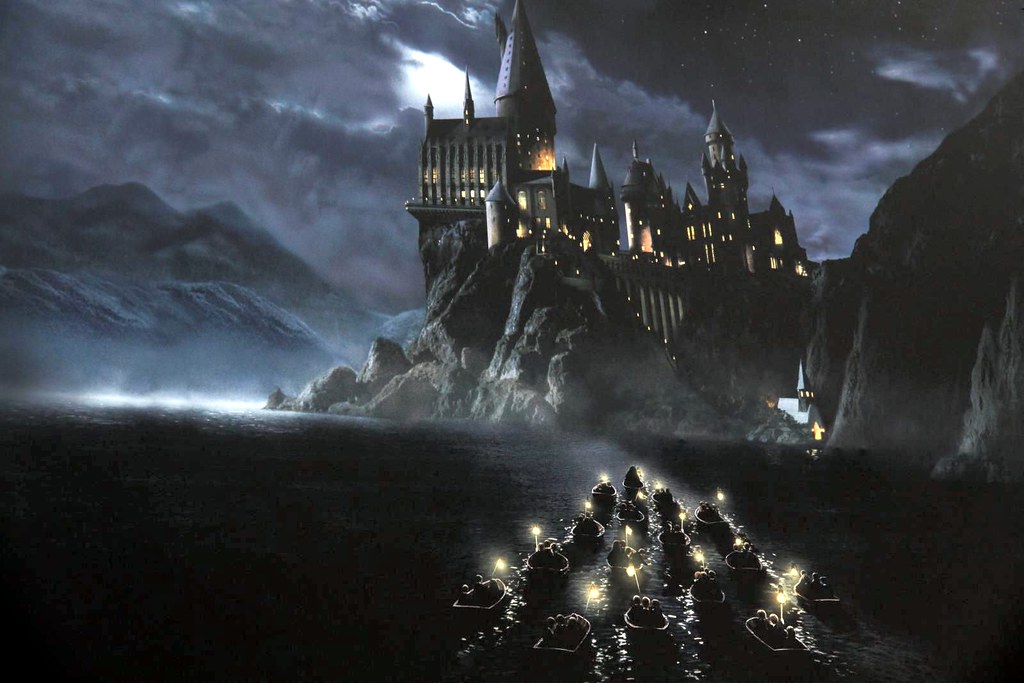
“I thought it was an okay series to get into reading and learn more about fiction and series. Overall I think there are better series’ to introduce young kids into the fiction world and into reading,” said freshman Emily Barnhart.

My criticism of the series does not come from a place of hatred. From fourth to fifth grade, I read every single Harry Potter book, watched every single Harry Potter movie and spent an embarrassing amount on memorabilia. With the amount of love the franchise receives, you would think it would be some kind of masterpiece in literature. 

But after revisiting the series, more issues became very clear. Flawed logic and overused tropes are just some of the flaws that show that Harry Potter does not deserve the reverence it gets.

“Well I tried to read it but it was boring so I stopped. I thought it would be interesting because people like it, but it just wasn’t. And I didn’t want to read the whole thing,” said sophomore Aubrey Zvoushe-Ramos.

Quantity over quality is an issue that is present in Rowling’s style of writing. At the micro level, these reveal themselves in small nitpicky issues. Problems like redundant use of adjectives and cumbersome descriptions of setting overextend the already bloated books. But I have more interest in exploring the issues regarding the world building of Rowling’s “Wizarding World.”

Rowling has made great attempts to expand the universe that the original series resides in. In the book, that meant trying her best to make the world of Harry Potter feel alive. Beyond the original series, Rowling created a website to post informational articles regarding aspects of the Wizarding World along with releasing spin-off books and movies. 

The issue with this is that most of the storytelling feels like a half-baked afterthought, as in reality they are the afterthoughts of an author trying to expand her fictional world. Many of these additional pieces of media post-Harry Potter feel like low effort cash-grabs riding the coattails of Harry Potter’s initial success.

To navigate back to the books themselves, much of the world building elements within the world seem carelessly created without much thought to the logic of their existence. Ideas like time traveling, magical slavery and the fictional racism regarding magical blood are showcased without the ramifications properly being explored. This creates a world that falls apart when looked at through the lens of realism. It creates an air of mediocrity that surrounds the writing of this universe.

The fictional racism in Harry Potter has been heavily criticized in recent years. With concepts like “House Elves,” a race of enslaved elves who are happy to be servants, being seen as distasteful. Her exploration of “pure blooded” wizards being a direct allegory to racism also feels phoned in as it is explored in a very surface level light. Certain characters are still written in a sympathetic light while being fictional representations of racists. 

Examples like the character of Severus Snape being shown as a hero in the final book, sacrificing himself for the protagonists, also being an ex-member of a supremacy group rubs me the wrong way, and works towards obfuscating issues like prejudice which should be black and white.

It may sound oxymoronic, but good fantastical writing needs to have a grounded base to create a quality world. I would consider works like the Lord of the Rings franchise to be much better when it comes to crafting a logically sound world while still incorporating fantastical elements like magic.

Rowling often wrote herself into “logical corners” as she created her series. In the third book, Rowling introduced the concept of “time turners,” magical options that can reverse time. This creates an everlasting issue in the series as how can there be any conflict if any action is reversible? Leading to Rowling, in the fifth book, making it so all of the time turners in the world were coincidentally destroyed.

The overall plot of Harry Potter is also guilty of using many common tropes and clichés. Clichés include Harry being the “Chosen One” and an orphan, the villains being allegories to the Nazi’s in WW2 and even the Hogwarts house structure with Gryffindor being the house for good guys and Slytherin being the house for all of the villains. Tropes and clichés are not bad in and of itself, but goes to show the unoriginality of many parts of the Harry Potter universe.

At the end of the day though, Harry Potter is a children’s book series, is it really deserving of deep analysis when it is not meant to be high level literature? 

Australian critic John Eberhart says in his critical review of the fifth Harry Potter book: “There are some who’d argue that these are books for kids, so why sweat the throat-clearings and cliches? Here’s why: Regardless of whether you’re writing for adults or children – and Rowling writes for both – you owe your readers craft and concision.”

Being a piece of children’s media does not immediately absolve criticism. With that chain of logic, there would be millions of books, movies, TV shows and more that would be impervious to greater scrutiny. There are much better children’s book series that are able to be both children’s literature while still being well enough written to stand up to analysis.
 A great example of this is the Percy Jackson series by Rick Riordan, which I also read when I was younger. The books, although not perfect, do not fall into the same pitfalls that the Harry Potter books did. All events in the plot are meaningful to the overall storyline that Riordan wanted to craft. Percy Jackson utilizes the “Chosen One” concept similarly to Harry Potter, but subverts readers by revealing in the final book that the chosen one was never the titular Percy Jackson, but in fact the main villain of the series. Finally, the fantastical elements of the story stay consistent throughout the numerous books in the franchise, which helps build a believable world. 

“The Percy Jackson series kept me entertained for a long time,” said sophomore Mickyle Quinones. “I found the seven chapters of Harry Potter to be very boring while Percy Jackson got into the action and got me engaged much quicker.”

The Harry Potter franchise has had an immense impact on books, movies and culture in general since its debut in 1997. But the buzz around the series seems undeserved, when the series is victim to common clichés and poor writing. No piece of media and writing should feel haphazardly made when it receives such global fame and praise. And yes, I am a Slytherin.

4 responses to “Harry Potter is Overrated”

  1. what made you believe that Voldemort is like a nazi– you think that JK Rowling was trying to talk about WW2 when she wrote this children’s book? please. you blog posters always try to bring in political events that have no similarities into the conversation.
    and to get all of those clicks you just HAD to call off the book as racist when saying that elves were enslaved. that’s such a disrespectful point. weren’t they all set free in the end? so it’s antiracist.
    you talk about Severus snape being a former member of a racist group, but ultimately sacrifices himself to save the heroes. and you call that bad, even though it’s a good thing that he changed and became a better person. Plus, Severus Snape was a spy so that meant that he really wasn’t interested in the racist group either.
    JK Rowling intentionally put “gryfinndor is good!” And “Slytherin is bad!” In the cliches so you would be surprised at the plot twists, I.e Peter Pettigrew and Snape.

    I noticed how the writer of the post was particularly put off that Slytherin was seen as an evil house and was complaining, and they were a Slytherin themselves. Bias?

    Like

  2. there was a previous commenter who attempted to refute the very much valid claims of the article, so this will point that out.

    i will agree that it probably isn’t a world war 2 reference. however, any attacks on the general writers rather than the idea are unwarranted and unhelpful, and in fact a logical fallacy.

    it is very much racist, with themes like racial purity being extremely common in real life racism, i.e. colonial mexico class systems valuing pure Spanish descent more than biracial populations. the pure blood superiority thing is very much racism. side note: this is ineffectively shown in the game hogwarts legacy, which does not depict this theme as suggested in the main series(likely due to the targeted audience).

    you are right, snape is a new man, but not for the right reasons. he didn’t go over by the goodness of his heart, but becuase he wanted to save his crush, prioritizing lily over other lives. he did eventually gain more noble reasons to be on the side of good, but at one point was very much interested in the racist group.

    i believe the absolute good(Gryffindor) and absolute evil(Slytherin) is a simplification for children, but in this case it is so shallow. sure there are a few exceptions(not greatly done). however as the author said that does not make it above higher scrutiny, and is certainly a misrepresentation of the nature of humanity and the gradient of morals(which is also arguably an important lesson for said children).

    I don’t quite understand what you mean by the author is a slytherin, i assume you meant an online quiz. i disagree that it is significant, as i doubt the author takes it personally that he was categorized as a slytherin.

    harry potter in general has many facets that detract from what could have been an excellent story. the style of writing and the tropes are all very simplistic, unbecoming of an author who has achieved such popularity as JK Rowling

    In addition, the entire voldemort rebirth section was highly basic. a band of cultists revive their king, who has a fight with the chosen one.

    in the end, harry potter is objectively an example of potential gone wrong. there was promise in some of the worldbuilding, before it was half thought out and poorly executed.

    Have a good day!

    Like

  3. “Examples like the character of Severus Snape being shown as a hero in the final book, sacrificing himself for the protagonists, also being an ex-member of a supremacy group rubs me the wrong way, and works towards obfuscating issues like prejudice which should be black and white.”

    So you would rather him stay a member of supremacy group then? You clearly forgotten the scene where Snape said “Don’t say that word!” in response to Headmaster Black calling Hermoire a Mudblood.

    “you are right, snape is a new man, but not for the right reasons. he didn’t go over by the goodness of his heart, but becuase he wanted to save his crush, prioritizing lily over other lives. he did eventually gain more noble reasons to be on the side of good, but at one point was very much interested in the racist group.”

    So you think turning out of love isn’t the “right reason” to turn your life around? You think Love (the THEME OF THE SERIES alongside Death) is that worthless?!?!

    By your logic Regulus isn’t a hero, if Kreacher wasn’t endangered, he would have stayed a loyal Death Eater

    By your logic Malfoy’s mother’s moment of lying to Voldemort doesn’t matter, if Draco wasn’t in danger she would have NEVER helped Harry.

    By your logic Kreacher’s redemption in HP7 because Harry valued his love for Regulus doesn’t count because he didn’t rebel against Voldemort in HP5 and HP6.

    By your logic, Dumbledore turn away from Wizard Supremacism after all if his sister had died doesn’t count.

    The point of Harry Potter (and those other examples) is the power of love. Lily’s love saved Harry, Harry’s love of Hargid made him turn down Malfoy and his bad influence (I always love to describe Snape as “What if Harry made the horrible mistake in befriending Malfoy in school”?), Harry’s love for his friends is repaid time and time again.

    Snape’s turn to the light is a amazing twist because you would never expect a vindictive, bullying asshole to be capable of love and willing to DIE for it (even when there is no reward for him). Snape’s story is perhaps Rowling’s most complex portrayal of love’s redemptive power: a reminder that love, even when painful, can inspire acts of profound bravery. His final revelation – “Always” – remains one of the most emotionally resonant moments in the series, encapsulating the idea that love can outlast death and darkness alike.

    Perhaps the most poignant exploration of love, however, lies in its absence. Voldemort – born Tom Riddle – is the embodiment of lovelessness. His fear of death stems from his inability to love, for love requires vulnerability – the acceptance that to care deeply is to risk loss. Voldemort’s soul, literally torn apart by murder and ambition, represents what happens when one rejects love entirely. In this way, Rowling contrasts him sharply with Harry, who also experiences loss but allows it to deepen rather than harden him. Harry’s ability to love, even after immense suffering, is what sets him apart – and what ultimately allows him to defeat Voldemort not through hatred, but through self-sacrifice.

    To quote Dumbledore “And his knowledge remained woefully incomplete, Harry! That which Voldemort does not value, he takes no trouble to comprehend. Of house-elves and children’s tales, of love, loyalty and innocence. Voldemort knows and understands nothing. Nothing. That they all have a power beyond his own, a power beyond the reach of any magic, is a truth he has never grasped.”

    This theme reaches its most powerful expression in Harry Potter and the Deathly Hallows. When Harry walks willingly into the Forbidden Forest to face death, he mirrors his mother’s earlier act of love. His sacrifice, motivated not by vengeance but by compassion for those he loves, creates a protective magic that once again shields others from harm. Dumbledore’s words – “Do not pity the dead, Harry. Pity the living, and above all, those who live without love” – echo throughout this final act. In choosing love over fear, Harry breaks the cycle of violence that Voldemort perpetuates. His victory is moral, not merely magical.

    Ultimately, Harry Potter is a story about the many faces of love – its warmth and its pain, its strength and its vulnerability. Rowling suggests that love is not simply an emotion, but a moral compass: the force that guides characters to act selflessly, to forgive, and to hope. It is the thread that connects every triumph and every loss, every act of courage and every moment of grief.

    Is Harry Potter overrated? Or is it purely on you for not caring about the power of love (the THEME OF THE STORY) and undervaluing it?

    Like

  4. (Resubmitting due to comment error)

    “Examples like the character of Severus Snape being shown as a hero in the final book, sacrificing himself for the protagonists, also being an ex-member of a supremacy group rubs me the wrong way, and works towards obfuscating issues like prejudice which should be black and white.” So you would rather him stay a member of supremacy group then? You clearly forgotten the scene where Snape said “Don’t say that word!” in response to Headmaster Black calling Hermoire a Mudblood.

    “you are right, snape is a new man, but not for the right reasons. he didn’t go over by the goodness of his heart, but becuase he wanted to save his crush, prioritizing lily over other lives. he did eventually gain more noble reasons to be on the side of good, but at one point was very much interested in the racist group.” So you think turning out of love isn’t the “right reason” to turn your life around? You think Love (the THEME OF THE SERIES alongside Death) is that worthless?!?!

    By your logic Regulus isn’t a hero, if Kreacher wasn’t endangered, he would have stayed a loyal Death Eater

    By your logic Malfoy’s mother’s moment of lying to Voldemort doesn’t matter, if Draco wasn’t in danger she would have NEVER helped Harry.

    By your logic Kreacher’s redemption in HP7 because Harry valued his love for Regulus doesn’t count because he didn’t rebel against Voldemort in HP5 and HP6.

    By your logic, Dumbledore turn away from Wizard Supremacism after all if his sister had died doesn’t count.

    The point of Harry Potter (and those other examples) is the power of love. Lily’s love saved Harry, Harry’s love of Hargid made him turn down Malfoy and his bad influence (I always love to describe Snape as “What if Harry made the horrible mistake in befriending Malfoy in school”?), Harry’s love for his friends is repaid time and time again.

    Snape’s turn to the light is a amazing twist because you would never expect a vindictive, bullying asshole to be capable of love and willing to DIE for it (even when there is no reward for him). Snape’s story is perhaps Rowling’s most complex portrayal of love’s redemptive power: a reminder that love, even when painful, can inspire acts of profound bravery. His final revelation – “Always” – remains one of the most emotionally resonant moments in the series, encapsulating the idea that love can outlast death and darkness alike.

    Perhaps the most poignant exploration of love, however, lies in its absence. Voldemort – born Tom Riddle – is the embodiment of lovelessness. His fear of death stems from his inability to love, for love requires vulnerability – the acceptance that to care deeply is to risk loss. Voldemort’s soul, literally torn apart by murder and ambition, represents what happens when one rejects love entirely. In this way, Rowling contrasts him sharply with Harry, who also experiences loss but allows it to deepen rather than harden him. Harry’s ability to love, even after immense suffering, is what sets him apart – and what ultimately allows him to defeat Voldemort not through hatred, but through self-sacrifice.

    To quote Dumbledore “And his knowledge remained woefully incomplete, Harry! That which Voldemort does not value, he takes no trouble to comprehend. Of house-elves and children’s tales, of love, loyalty and innocence. Voldemort knows and understands nothing. Nothing. That they all have a power beyond his own, a power beyond the reach of any magic, is a truth he has never grasped.”

    This theme reaches its most powerful expression in Harry Potter and the Deathly Hallows. When Harry walks willingly into the Forbidden Forest to face death, he mirrors his mother’s earlier act of love. His sacrifice, motivated not by vengeance but by compassion for those he loves, creates a protective magic that once again shields others from harm. Dumbledore’s words – “Do not pity the dead, Harry. Pity the living, and above all, those who live without love” – echo throughout this final act. In choosing love over fear, Harry breaks the cycle of violence that Voldemort perpetuates. His victory is moral, not merely magical.

    Ultimately, Harry Potter is a story about the many faces of love – its warmth and its pain, its strength and its vulnerability. Rowling suggests that love is not simply an emotion, but a moral compass: the force that guides characters to act selflessly, to forgive, and to hope. It is the thread that connects every triumph and every loss, every act of courage and every moment of grief.

    My question: Is Harry Potter overrated? Or is it purely on you for not caring about the power of love (the THEME OF THE STORY) and undervaluing it?

    Like

Leave a Reply

Trending