
Awards season is supposed to be a celebration of the best and brightest in music, film, and television, yet every year it seems to fall into the same predictable cycle. The glitz and glamour of the Grammys and the Oscars mask an underlying issue—these prestigious events are more about industry politics and commercial viability than actual artistic innovation. From music categories that continuously favor a narrow pool of pop artists to film nominations that reward budget and star power over storytelling, the awards circuit has become a showcase of the entertainment industry’s most glaring flaws.
The Grammy Awards have long been criticized for their lack of diversity, particularly in the top categories. While the awards technically recognize multiple genres, the winners and nominees overwhelmingly lean toward mainstream pop. This is not to say that pop music isn’t worthy of recognition, but does it really make sense for the same four or five artists—often with songs that sound strikingly similar—to dominate categories year after year? The Recording Academy continues to sideline innovative musicians and groundbreaking albums in favor of commercial-friendly picks, reinforcing the idea that success is defined more by chart performance than artistic achievement.
A prime example of this tension is the controversy surrounding Cowboy Carter, Beyoncé’s venture into country music. While it wasn’t her most universally praised album, its genre-bending nature made it a significant cultural moment. However, the backlash surrounding its nominations—particularly for Best Country Album—highlighted a larger issue: the rigidity of genre classifications. Is Cowboy Carter a country album? A pop album? A statement about musical boundaries? The very fact that these questions arise suggests that genre itself is becoming an outdated concept. The best music should challenge listeners, making them reconsider whether they truly “hate country” or “hate rap” or whether they simply haven’t found the right artist within the genre to resonate with them.
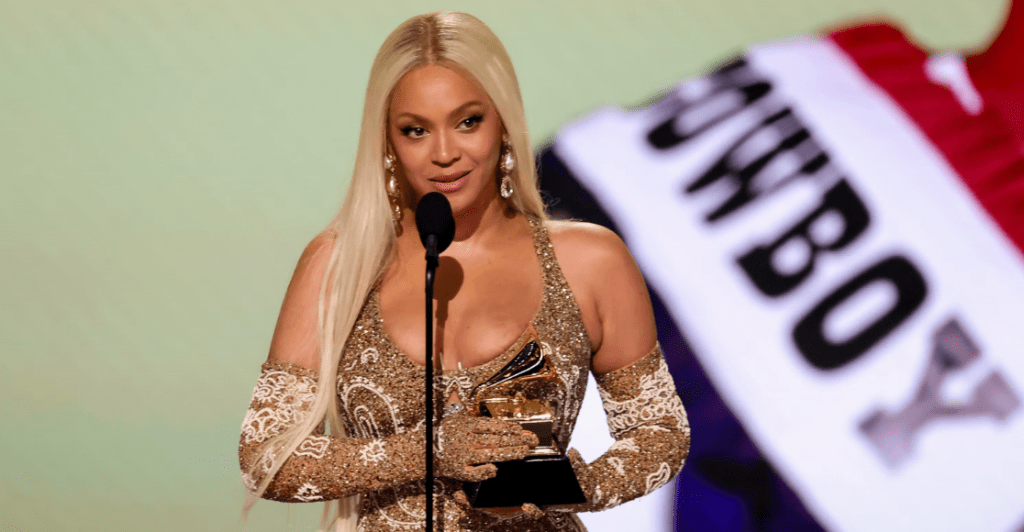
Despite these occasional acts of rebellion, indie and alternative artists continue to be overlooked. Albums that dominate critics’ year-end lists and top Rolling Stone’s rankings often fail to even receive nominations. This disparity exposes the Grammys’ priorities: rewarding artists who reflect well on the Academy rather than those who push the boundaries of music itself. Instead of being a celebration of all music, the awards increasingly feel like a club where only the most marketable names are welcome.
One of the biggest flaws in the Grammys’ nomination process is the way it pigeonholes artists into rigid genre categories. Take, for example, Tyler, the Creator, who expressed frustration when his rap album was labeled as “urban” rather than just being seen as a great album, regardless of genre. The term “urban” has long been criticized for being a catch-all category for Black artists, limiting their recognition in broader fields. More and more artists are calling for an overhaul of these categories, but the Recording Academy has been slow to adapt.
Additionally, the Grammys’ voting process remains shrouded in secrecy. Allegations of behind-the-scenes manipulation, favoritism, and industry politics are rampant, with some artists and industry insiders suggesting that the winners are determined more by internal lobbying than by merit. If the awards are truly meant to reflect the best music of the year, the process needs to be more transparent and inclusive of a wider range of voices.
The Academy Awards suffer from a similar pattern of predictability. Every year, a handful of major films dominate the nominations, with little room left for smaller, more daring projects. It’s not just about quality—it’s about which films fit the Academy’s mold of what an “Oscar-worthy” movie should be. While indie films occasionally break through, the majority of nominees tend to be big-budget productions starring A-list actors, produced by well-connected studios with significant campaign resources.
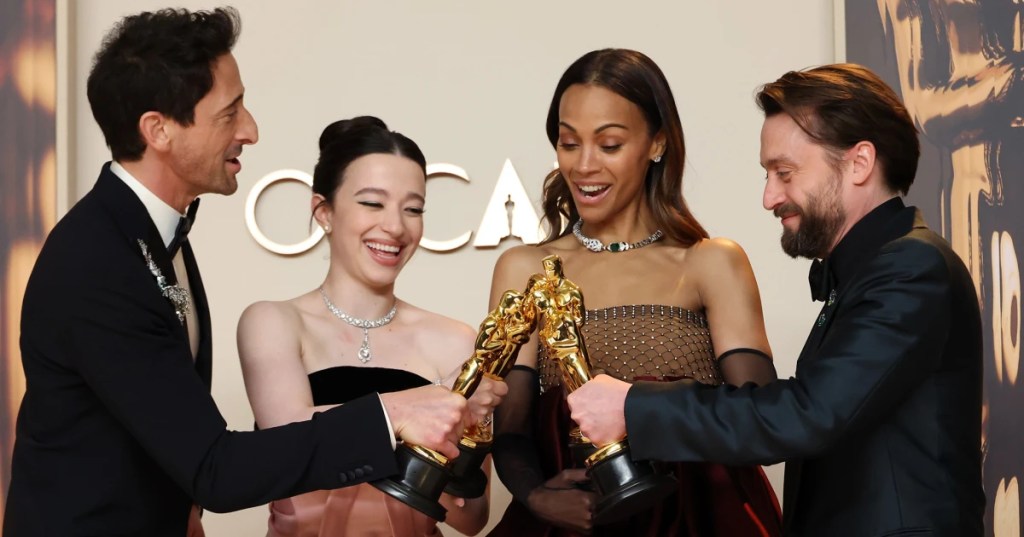
Last year’s Oscars have continued this trend, with a few notable snubs sparking outrage. Barbie, one of the biggest cultural phenomena of the year, failed to secure Best Director and Best Actress nominations for Greta Gerwig and Margot Robbie, despite its massive success and cultural relevance. The omission wasn’t just an oversight—it was a reminder of how the Academy often undervalues films that challenge traditional prestige-film formulas. Meanwhile, critically acclaimed international and independent films were once again largely left out, reinforcing the idea that Oscar recognition is often more about industry connections than artistic merit.
Beyond creative merit, awards season has increasingly become a battleground for industry politics. Campaigning for an Oscar is now a multimillion-dollar endeavor, with studios investing heavily in ensuring their films remain in voters’ minds. This process often favors established industry figures and well-connected filmmakers over fresh, innovative voices. If a movie doesn’t have the right backing or fails to fit within the Academy’s traditional mold, its chances of winning—even if it’s one of the best films of the year—are slim.
The Oscars also have a history of playing it safe when it comes to diversity. While progress has been made in recent years, the fact remains that many groundbreaking films directed by women, people of color, and international filmmakers still struggle to receive the same level of recognition as their white, male, and Western counterparts. The Academy often pats itself on the back for small strides in representation while continuing to ignore truly revolutionary work.
Beyond the nominations, awards shows themselves have started to feel increasingly surreal. These events, which are meant to celebrate artistry, often end up as displays of wealth and performative activism. It’s hard to ignore the irony when a room full of millionaires and billionaires is asked to donate to disaster relief efforts during the broadcast. The optics are unsettling: a glittering display of opulence juxtaposed against pleas for charity from an audience that could single-handedly fund the cause.
Then there are the viral moments—whether staged or genuine—that have come to define modern awards shows. From unexpected altercations like Will Smith’s infamous Oscar slap to awkward speeches and bizarre stunts, these ceremonies increasingly feel like a blend of reality TV and high society pageantry. They are designed not necessarily to honor the best in entertainment but to generate discourse, engagement, and social media virality.
At their best, awards should serve as a platform to highlight the most creative, thought-provoking, and boundary-pushing work in the industry. But if the Grammys and Oscars continue to prioritize industry politics over artistic integrity, do these awards even matter? Many artists seem to think not. Frank Ocean famously refused to submit Blonde for Grammy consideration, calling the awards outdated. More and more musicians and filmmakers are realizing that true artistic validation doesn’t come from a golden statue or a trophy—it comes from the impact their work has on audiences.
In response to these growing frustrations, alternative awards have started to gain traction. The Independent Spirit Awards, the BET Awards, and the Critics’ Choice Awards are just a few examples of platforms that attempt to recognize talent that mainstream institutions overlook. Perhaps the future of awards season lies outside of the traditional spaces that have long dominated the industry.
As music and film continue to evolve, perhaps it’s time for the awards industry to do the same. The Grammys and Oscars must adapt if they wish to maintain cultural relevance. This means reassessing how nominations and winners are determined, ensuring a more diverse and transparent voting process, and breaking free from the constraints of outdated genre classifications and prestige-film biases.
Until then, the Grammys and Oscars will remain what they have become—elite gatherings that reward familiarity over innovation, all while pretending to celebrate the very art they routinely sideline.



 Masuk Free Press
Leave a comment