
Energy drinks have become a staple in the lives of many high school students. Whether it’s a can of Alani before a big test or a Celsius to power through an all-nighter, caffeine has embedded itself into student culture. Walk through the halls on any given morning, and you’ll see students clutching Dunkin’ cups and Starbucks refreshers like lifelines. Still, while energy drinks and caffeinated beverages provide a convenient jolt of energy, their impact on students’ health and well-being is far from positive.
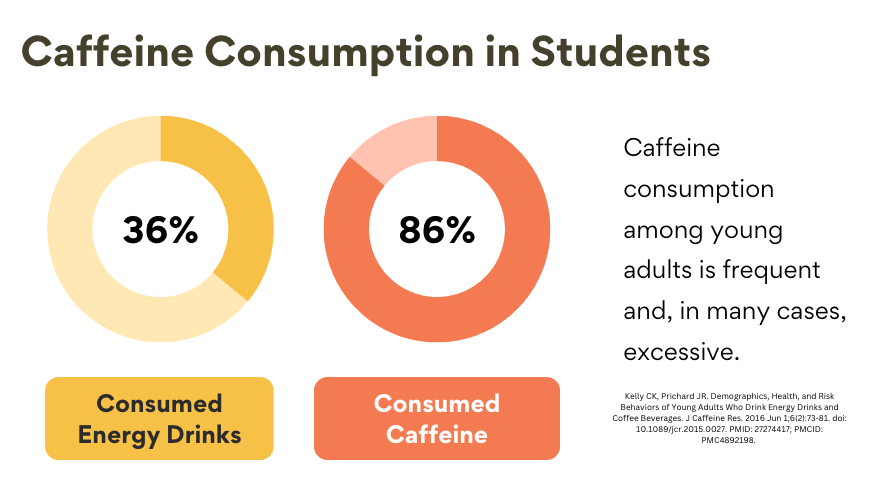
Caffeine consumption among young adults is frequent and, in many cases, excessive. According to research published in the Journal of Caffeine Research, 36% of students reported drinking an energy drink in the last month, and 86% reported consuming some form of caffeine. However, many students are unaware of how much caffeine they are actually consuming. Energy drink consumers also reported increased risk-taking behaviors, such as drug and alcohol use, as well as sleep disturbances and higher rates of mental illness diagnoses. Despite these alarming correlations, the appeal of an instant energy boost keeps students coming back for more.
“I used to be a fiend for the Panera charged lemonades but they kept like killing people so they discontinued them. I miss it.” said senior Gabriella Assignon. Relying on caffeine is not just a harmless habit—it has tangible consequences. Heavy caffeine consumption, defined as more than 400 milligrams per day, can lead to a host of negative side effects, including headaches, insomnia, nervousness, irritability, heart palpitations, etc. For students with preexisting anxiety disorders, these effects can be even more pronounced, potentially triggering panic attacks and heightened nervousness. The irony is that while students often turn to energy drinks to enhance focus and productivity, the very substance they rely on can impair cognitive function, disrupt sleep, and lead to long-term dependence.
“Yeah, I mean, I have coffee every morning. I don’t really think I need the extra boost in energy, it’s more just because I like it,” said senior Aubrey Zvovushe-Ramos. This casual attitude toward caffeine consumption is common among students, many of whom view their morning Starbucks run as routine rather than a necessity. However, for those who consume caffeine in large quantities or in the form of energy drinks, dependence becomes a serious risk. If caffeine intake is suddenly stopped, withdrawal symptoms such as headaches, fatigue, irritability, and difficulty concentrating can set in, making it harder to function without it.
Beyond caffeine, another major issue with energy drinks is their high sugar content. According to the Dietary Guidelines for Americans, added sugar should be limited to no more than 10% of total daily calories. Yet, one 16-ounce can of Monster Energy Juice Pacific Punch contains 210 calories and a staggering 47 grams of added sugar—the equivalent of 12 teaspoons. Which is an entire day’s worth of added sugar in a single can. Excessive sugar intake is linked to a range of health problems, including obesity, diabetes, and increased risk of heart disease. While students might not think twice about grabbing an energy drink between classes, the long-term health implications of habitual consumption are significant.
The culture of caffeine reliance is further fueled by accessibility and social trends. Coffee shops like Dunkin’ and Starbucks have become more than just places to grab a drink; they serve as social hubs for students.
“I definitely think the new Starbucks being added on Rt. 111 will have me going to get it more,” said senior Niti Shah. “Like right now it’s kinda far for most people to get there, but with one coming to this side of town it will probably become a popular hang-out spot for students.” With caffeine so readily available, and with new locations making it even easier to get, the normalization of daily consumption only continues to grow.
The financial cost of caffeine addiction is another overlooked consequence. “Not gonna lie, I spend a ridiculous amount of money a month at Dunkin’ and Starbucks each month,” said Zvovushe-Ramos. A $5 coffee or energy drink might not seem like much in the moment, but over time, these purchases add up. For students who already juggle academic pressures, extracurricular activities, and part-time jobs, spending money on daily caffeine fixes can take a toll on their wallets.
Despite the widespread consumption of energy drinks and caffeinated beverages, it’s important for students to be aware of the risks and to moderate their intake. Simple changes—such as opting for lower-caffeine alternatives, staying hydrated, and prioritizing sleep—can make a significant difference in maintaining both physical and mental health. The appeal of an instant energy boost is understandable, but students should ask themselves: is the temporary rush worth the long-term consequences?
As caffeine culture continues to grow, it’s crucial to challenge the normalization of excessive consumption. Schools, parents, and students alike should take a closer look at their caffeine habits and consider healthier alternatives. While grabbing a coffee before class might feel like a necessity, true energy comes from balanced nutrition, sufficient rest, and mindful habits—not from the bottom of a can of Celcius.



 Masuk Free Press
Leave a comment