
Looking back on COVID-19 times is not a favorite pastime of mine. The toilet paper shortages, high unemployment rates and obligatory stay-at-home times were all big side effects that came along with the global pandemic. But I also need to remember all the social media influencers out there who managed to keep me and many others entertained by constantly pumping out tons and tons of haul videos.
I believe that they marked the beginning of what is today called the trend of overconsumption. Back during COVID, it was a popular thing to order 20 packs of clothes from Shein, five bags of makeup from Sephora and pairs of overly expensive leggings from Lululemon.
Whether you were spending $50, $100 or even $500 on the goods you were purchasing, it was all the same thing. The person on the other side of the screen would hold up some mysterious box or several packages from a company and then they would spend 30 seconds or less saying anything they could to make it seem like you needed to buy what they were buying.
While these videos did not have an immediate impact on every consumer’s bank account, most likely because both unemployment rates and all prices were sky-high, they did leave many people (including myself) with a constant hunger for new things and the need to always be stocked up and supplied.
Some could argue that this need was due to the anxiety surrounding COVID-19, and this may be somewhat true, but a pandemic that ended three years ago cannot be used as an excuse for grown adults buying excessively and unnecessarily today.
Hygiene, makeup and fashion influencers are by far the worst among those pushing this trend. Whether they tell you to purchase different moisturizers, show you their collection of concealers or their favorite fast-fashion clothing items, you cannot and should not listen to their purchasing advice.
I will give an honorable mention to restock influencers who film themselves buying and replacing anything they can in their fridges and cabinets, even if they’re not remotely empty. While they may not be telling you to buy crazy and irresponsibly, they are making you want to, and usually without any words being spoken.
“It shows how people are really wasteful in this economy, especially, like, everyone’s poor and there’s still overconsumption,” explained senior Claire Wei. “I think it shows your status, since you have a lot of things that means cause everyone wants to be like, I guess look rich even though they’re like in debt.”
Why do we even need to show people all our stuff? The influencers you watch who take you through their house and show you all of their expensive items are only doing it to show off their lives to the world, and there are so many people out there who have not or will not realize the brutal truth.
Most influencers do not care about you, your financial situation or your life. They only care about themselves second, and the size of their wallet first. That is the plain truth and yet most people are blind to it.
“It sounds like they are not being financially responsible, so they should be paying attention to their bank accounts. How much stuff does one need?” said Mrs. Danso, a business teacher here at Masuk.
Social media itself has played a big role in all of this, especially TikTok. You constantly watch short clips of your favorite influencers showing you the latest haul of unnecessary things that only people in their tax bracket could purchase without facing financial ruin.
I am not saying that people should not buy the products that they like or want, or that they are unintelligent for listening to the people they follow online, however, at some point, it all becomes too much. Through the process of overconsumption, people are not only damaging their finances but also the environment and economy.
According to the United Nations, if humans continue to consume products the way they are, by 2050, we will need almost three planets worth of natural resources to sustain ourselves. The fashion industry itself specifically generates more than 92 million tons of waste annually, and is fueled by social media.
“Well, for the environment, I feel like the impacts are obvious, right? We’re gonna run out of space, right? And we’re also sort of just abusing the earth, you know, cause all that stuff ends up getting thrown away,” said Lauren Iverson, a teacher at Masuk. “And people’s finances, I mean, you just, you blow through everything. You don’t realize how much everything costs and you get your credit card bill at the end of the month and it’s full.”
This is not coming from an environmental nut who wants to tell you that you have to live sustainably, but instead from someone who does see that overconsumption is good for no one other than the companies and influencers promoting them.
You don’t need the newest Stanley Cup or another Shein top. Overconsumption is a trend that has a negative impact on people, the economy and the environment in general.
It is personally very upsetting to watch as so many people take part in it just because it is what everyone else is doing. It sheds a negative light on our society by making it seem like we take everything for granted, since we live in a country where you can get almost anything at the tip of your fingers.
So please do yourself and the environment a favor and think before you buy, if you agree with everything you just read.
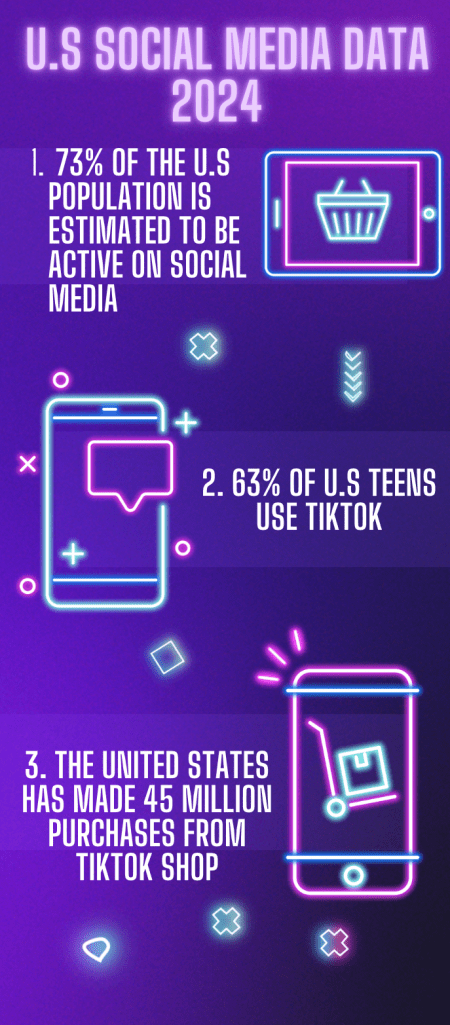
Credits: Made with Canva. Information from: https://overconsumption.org/blogs/news/the-role-of-social-media-in-promoting-overconsumption#:~:text=The%20overproduction%20and%20waste%20generated,million%20tons%20of%20waste%20annually
https://backlinko.com/social-media-users#



 Masuk Free Press
Leave a comment