
In the days leading up to the TikTok ban, those with scrolling addictions began to panic, scrambling to find the next app for mindless swiping. Naturally, one might turn to alternatives like Instagram Reels or YouTube Shorts. However, for many TikTok fans, an “enemy” of the American government became a friend. In retaliation for the potential ban, many TikTokers migrated to a Chinese app called Xiaohongshu (Little Red Book), more commonly known as Rednote.
As the American crowd approached Rednote, they quickly realized it was not the TikTok replacement they expected. Unlike TikTok, which thrives on fast-paced trends and brain rot, Rednote’s vibe was more chill, like a blend of Instagram, Pinterest and Lemon8. It was a space for lifestyle content, shopping tips and curated posts, not the chronically online content they were used to.
Despite this, the Tiktok influence was hard to escape. The same trends, memes and endless scrolling habits that made TikTok so addictive began to invade Rednote. Chinese users watched this invasion with a mix of confusion and irritation. Some were angry at Americans for taking over their app, and others retaliated against Americans with, of all things, cat photos. Commenters under “TikTok Refugee” posts jokingly threatened to recruit the refugees to the Chinese Communist Party and steal their data while spamming cute cat photos.
The chaos did not stop there. English homework exchanges popped up, with Chinese users asking Americans for help, only to mock Americans for their academic struggles when they received low marks on their assignments, further fueling the negative stereotypes of American education. The cultural clash was real, and tension grew with many telling the newcomers to leave Rednote and go to a different app.
“I’ve been on Xiaohongshu for a couple of years now. I usually go on it for drama in China or just useful lifestyle tips, ” senior Claire Wei said. “But once it became popular on TikTok, my feed once personalized to my interest was filled with insane videos I’d see on American social media like Reels or TikTok.”
This influx of TikTok-style content disrupted the carefully curated atmosphere that longtime users had come to appreciate. Not only did the content migrate to Rednote, but the behavior followed, too. The comment sections became filled with borderline harassment under conventionally attractive people’s videos, the constant begging for “moots” (mutuals) under unrelated videos and Tiktok slang like “huzz.”
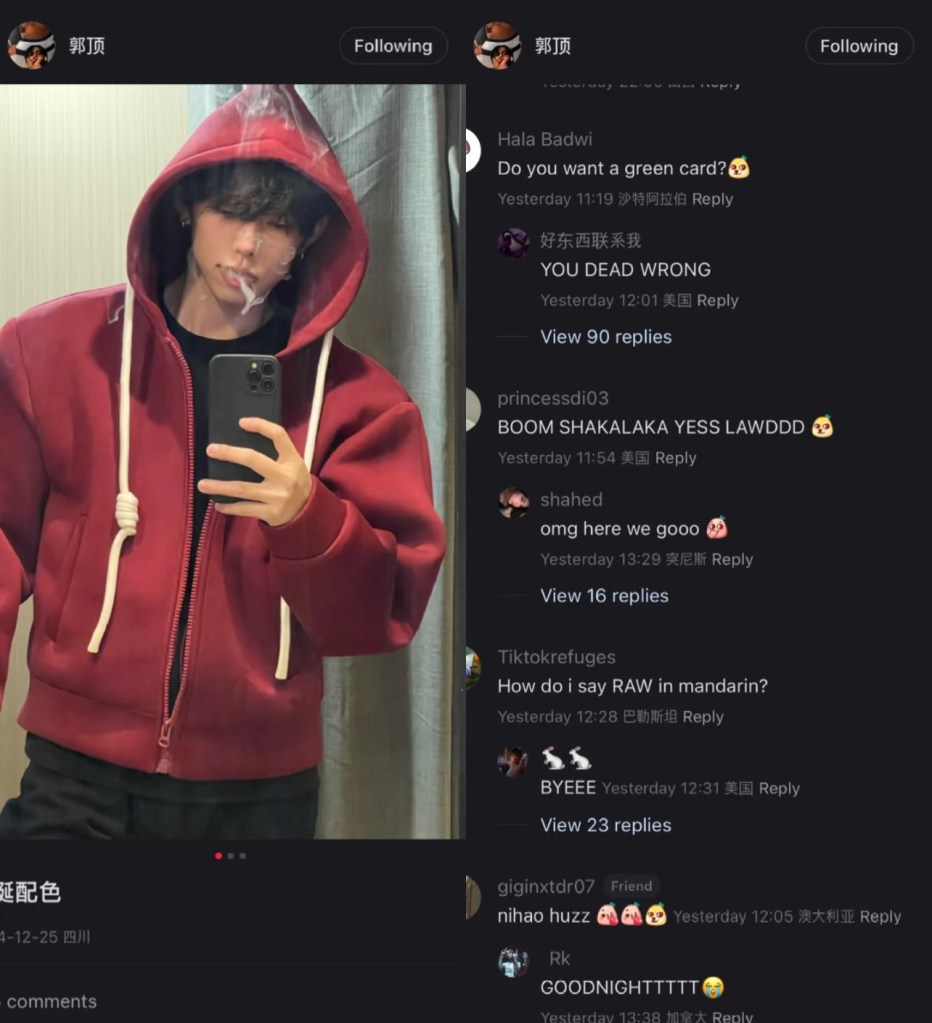
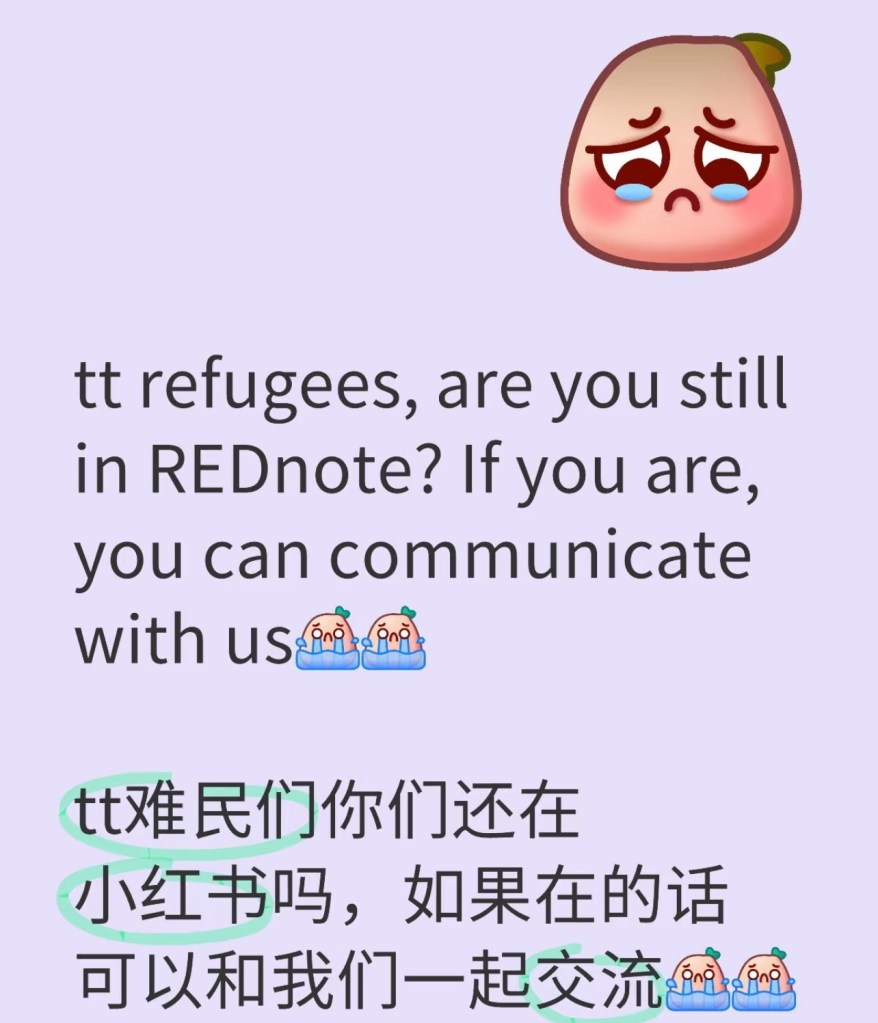
Despite the hatred some Chinese users felt towards the influx of Americans, Xiaohongshu made adjustments to accommodate its new foreign audience. To reduce the cultural divide, the app rebranded, changing its name from the original “小红书” to “Rednote,” and implemented English translations in the comment section. These changes were designed to make the app more accessible and welcoming to its growing international user base.
With the ban now on hold, many of the TikTok refugees packed their bags and returned, leaving Rednote. The wave of frenzy has calmed down, but some newcomers chose to stay, drawn to the app’s focus on aesthetics, beauty and lifestyle content.
Still, the impact of Tiktokers’ migration hasn’t completely faded. Rednote has been reformed by the wave of foreign users. While many Americans left, Chinese community members started asking about their whereabouts, even missing them in some cases. Whether the app continues catering to its global audience or reverts to its original vibe, one thing remains clear: No space is immune to the chaos of internet culture.



 Masuk Free Press
Leave a comment