
Starting in 2024, the Department of Education has created a new and revised Free Application for Federal Student Aid (FAFSA), promising less time spent filling out forms, more accessibility to Pell Grants for low-income students, and direct importation of income information from the Internal Revenue Service (IRS). In theory, the new FAFSA should be easier than ever to complete, allowing students access to more aid than ever before, but delays and technical issues have set back the new FAFSA rollout.
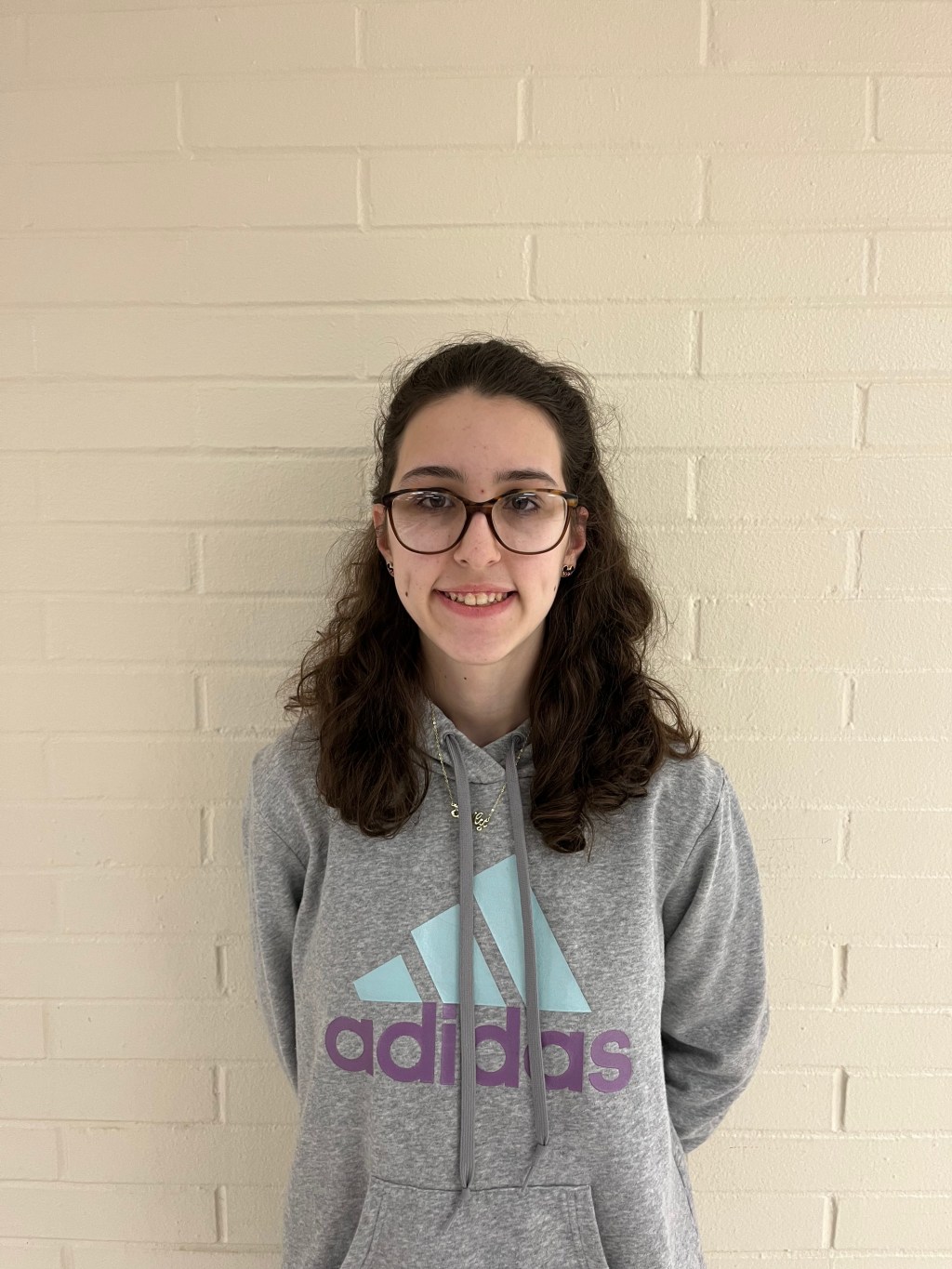
“I first got an email saying that it was successfully submitted, and then not long after it said it needed my mom’s signature, and going into the actual portal and it saying that it’s in review, but then my mom calling … and them saying that they never even got it,” said senior Sienna Ferguson. “That’s probably the biggest issue, it’s a miscommunication on where my form is.”
Students experiencing issues have been attempting to call FAFSA’s helpline but to no avail, facing nothing but robotic voices and dead ends.
“In the past, the 1-800 number has been very responsive. The reps pick up almost immediately and you get a live person. That’s definitely been a bigger problem because we’re not financial experts, so we refer families to that number, and in the past, that’s been much more helpful. Now kids and families are sitting for hours sometimes … So I think that’s been frustrating is families sitting on hold not getting the answers they would’ve once gotten,” said Masuk guidance counselor Penny Ploski.
FAFSA’s phone issue may likely be attributed to the U.S. Department of Education not being prepared to handle the influx of phone calls relating to trouble with the new FAFSA form.
With news that colleges will not receive FAFSA data until mid-March, some students are growing anxious over the timing of financial aid packages.
“So, a lot of my deadlines were February 15 and January 15, so I filed it around January 10 because that was when it was open for me to do it … So I did that and now it’s stuck in review and now none of my colleges have it and I missed both deadlines so I’m just hoping they understand that it’s gonna be sent out later,” said senior Yara Shaik. “None of them have emailed me of that new date so we’re just gonna hope and pray that I get something.”
Colleges are beginning to adjust to this new reality for the class of 2024.
“We are starting to see that some colleges are emailing us, saying instead of May 1, they are extending the [decision] deadline to June 1,” said Ploski. “Some others have e-mailed us now saying ‘we’re sticking with May 1, but we’re gonna get those packages out’ so I imagine that it’s gonna be pretty crazy on their end.”
She also advises that all students should be prepared to calculate their financial burden after receiving financial packages.
“Be ready to have what the total cost is of each school, and if you’ve already heard about some academic money, kind of subtract that, (and see) where you’re at so you’re ready to plug that in, and just be organized as each one comes in and what your total cost is, because as you well now, a large amount from one school doesn’t necessarily mean that it will be cheaper,” Ploski advised.
College decisions and financial aid have always been stressful processes that millions of high school seniors have had to bear, but a condensed timeline only adds to the stress of students who want closure to what could likely be the most stressful year of their lives up to that point. But there is a symbolic light at the end of the tunnel for Masuk’s class of 2024, who have had an incredibly adverse high school experience.
Starting in 2024, the Department of Education has created a new and revised Free Application for Federal Student Aid (FAFSA), promising less time spent filling out forms, more accessibility to Pell Grants for low-income students, and direct importation of income information from the Internal Revenue Service (IRS). In theory, the new FAFSA should be easier than ever to complete, allowing students access to more aid than ever before, but delays and technical issues have set back the new FAFSA rollout.
“I first got an email saying that it was successfully submitted, and then not long after it said it needed my mom’s signature, and going into the actual portal and it saying that it’s in review, but then my mom calling … and them saying that they never even got it,” said senior Sienna Ferguson. “That’s probably the biggest issue, it’s a miscommunication on where my form is.”
Students experiencing issues have been attempting to call FAFSA’s helpline but to no avail, facing nothing but robotic voices and dead ends.
“In the past, the 1-800 number has been very responsive. The reps pick up almost immediately and you get a live person. That’s definitely been a bigger problem because we’re not financial experts, so we refer families to that number, and in the past, that’s been much more helpful. Now kids and families are sitting for hours sometimes … So I think that’s been frustrating is families sitting on hold not getting the answers they would’ve once gotten,” said Masuk guidance counselor Penny Ploski.
FAFSA’s phone issue may likely be attributed to the U.S. Department of Education not being prepared to handle the influx of phone calls relating to trouble with the new FAFSA form.
With news that colleges will not receive FAFSA data until mid-March, some students are growing anxious over the timing of financial aid packages.
“So, a lot of my deadlines were February 15 and January 15, so I filed it around January 10 because that was when it was open for me to do it … So I did that and now it’s stuck in review and now none of my colleges have it and I missed both deadlines so I’m just hoping they understand that it’s gonna be sent out later,” said senior Yara Shaik. “None of them have emailed me of that new date so we’re just gonna hope and pray that I get something.”
Colleges are beginning to adjust to this new reality for the class of 2024.
“We are starting to see that some colleges are emailing us, saying instead of May 1, they are extending the [decision] deadline to June 1,” said Ploski. “Some others have e-mailed us now saying ‘we’re sticking with May 1, but we’re gonna get those packages out’ so I imagine that it’s gonna be pretty crazy on their end.”
She also advises that all students should be prepared to calculate their financial burden after receiving financial packages.
“Be ready to have what the total cost is of each school, and if you’ve already heard about some academic money, kind of subtract that, (and see) where you’re at so you’re ready to plug that in, and just be organized as each one comes in and what your total cost is, because as you well now, a large amount from one school doesn’t necessarily mean that it will be cheaper,” Ploski advised.
College decisions and financial aid have always been stressful processes that millions of high school seniors have had to bear, but a condensed timeline only adds to the stress of students who want closure to what could likely be the most stressful year of their lives up to that point. But there is a symbolic light at the end of the tunnel for Masuk’s class of 2024, who have had an incredibly adverse high school experience.


 Masuk Free Press
Leave a comment